Summer brings active birds into yards, patios, balconies, and gardens. Adults feed young, visit flowers, bathe, eat seed heads, and lead fledglings toward reliable food. A feeder, shrub, water dish, or flowering plant can become a steady observation spot.
Common birds still deserve attention. A streaky finch, a hovering hummingbird, a bold jay, or bark-climbing nuthatch becomes easier to identify once you watch movement, food choice, sound, and behavior.
Compact gardens can attract many species, including finches, bluebirds, hummingbirds, orioles, woodpeckers, wrens, quail, doves, grosbeaks, titmice, nuthatches, jays, and munias.
With so many clues available just outside your door, which backyard bird will you recognize first?
House Finch
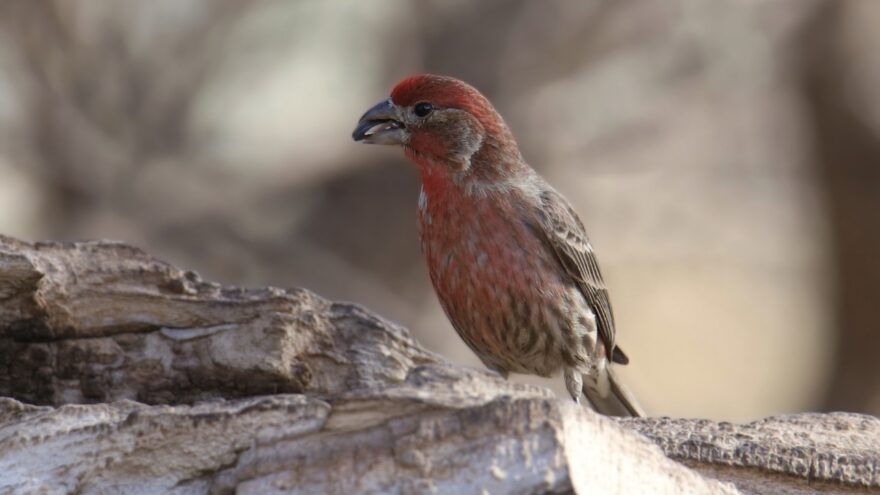
House finches are easy to attract with sunflower seeds or suet. They live across much of North America and often visit feeders in small groups.
Adult house finches have small bodies with brown streaking. Males often show reddish color on the head, chest, or rump. Females usually look plainer, with heavier streaking and little or no red.
Young house finches can look messy after leaving the nest. Wispy feathers, awkward movement, and loud begging calls are common. A fledgling may flutter near an adult and beg even after it can fly.
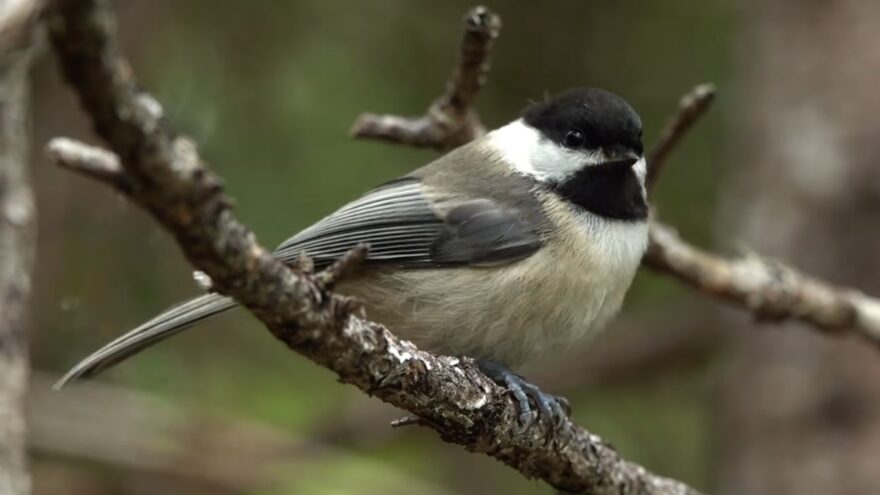
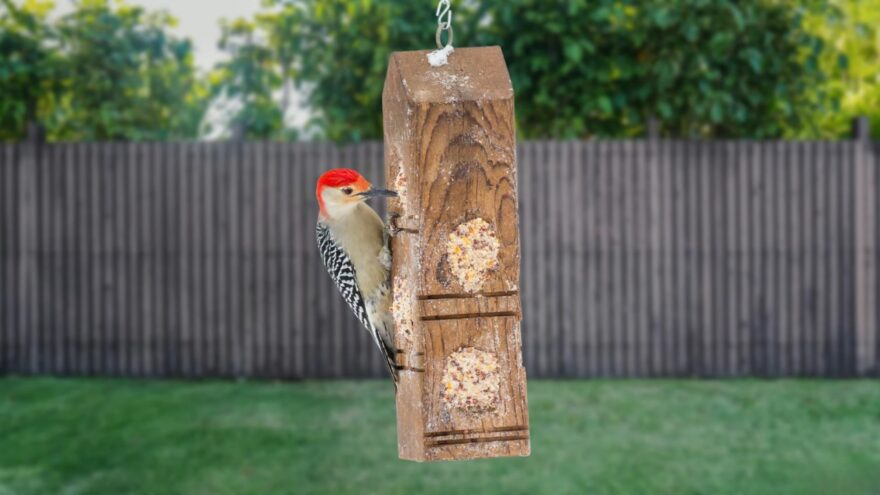
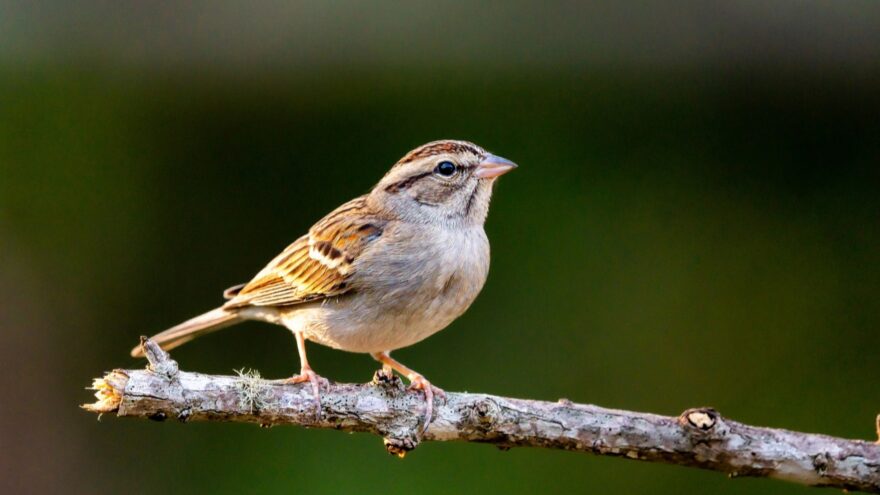
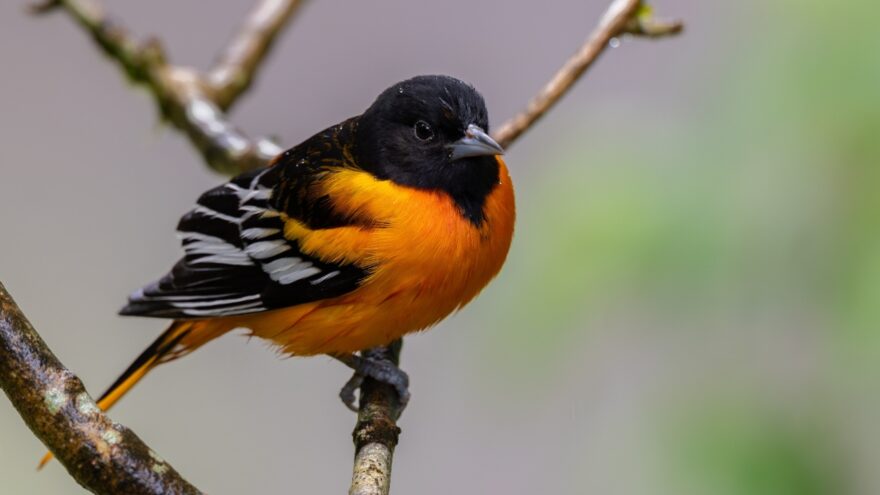
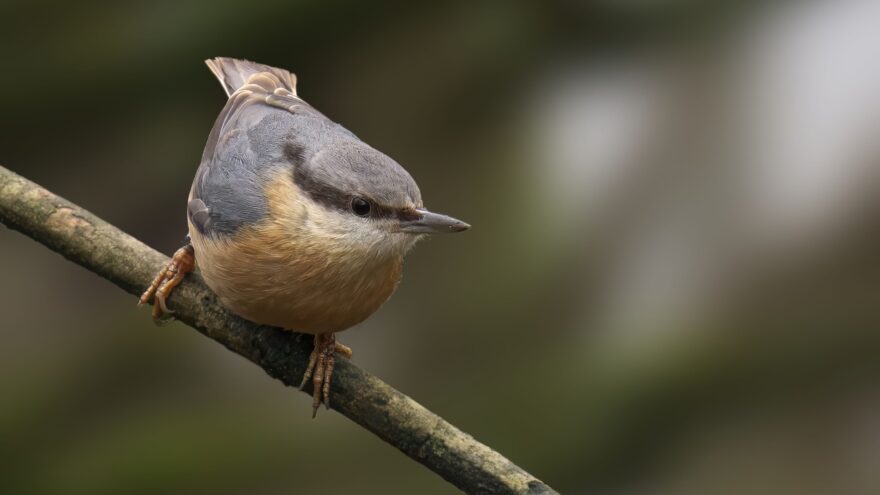
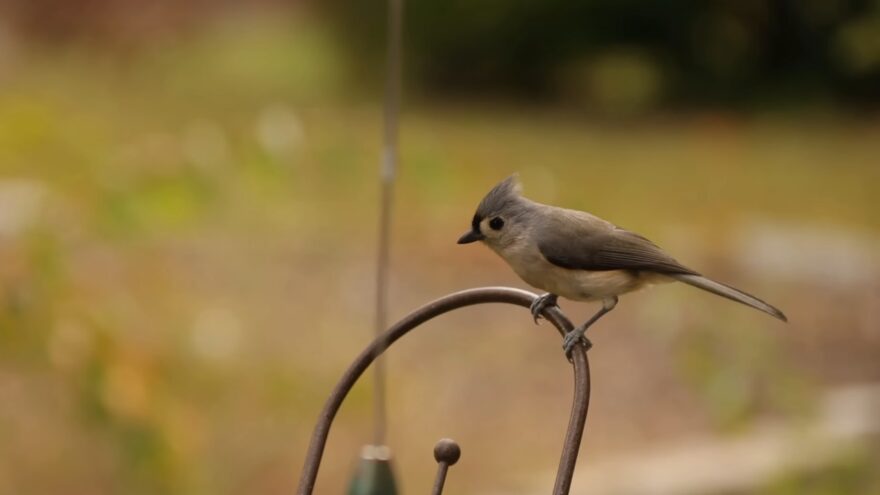
Females and young birds look duller but keep a compact shape. Goldfinches often move between seed heads and feeders. Their flight rises and dips in a light bouncing pattern. Calls may be heard as they pass overhead. American goldfinches are unusual among native songbirds because they eat a strictly vegetarian diet. Seeds are their main food. Dirty feeders can spread disease, including house finch eye disease. Clean feeders often, remove spoiled seed, and avoid crowding too many birds at one small feeder. Sparrows are common ground and shrub visitors. Many look brown, streaky, and quick-moving. They often feed low, hide in shrubs, or pick up fallen seed under feeders. White-crowned sparrows are easier to recognize because of their bold head pattern. Other sparrows need closer study. Check head stripes, breast streaking, body posture, tail length, and feeding location. Ground-feeding birds often gather where seed drops. Sparrows may share those spots with quail, doves, and wrens. Hummingbirds are easy to recognize by their movement. Tiny size, rapid wingbeats, hovering flight, and a long needle-like bill set them apart. Hummingbirds often visit the same flowers repeatedly. Tubular blooms fit their feeding style well. Nectar-producing native plants also attract small insects, which help nesting birds. Flower choices can reduce feeder problems. Tubular flowers such as aloes and echeverias can attract hummingbirds without sticky spills, ants, or spoiled sugar water. Feeders can help, but they need frequent cleaning. Behavior gives stronger clues than color. Watch for hovering, darting, repeated flower visits, and a long bill. Place nectar flowers where quiet window viewing is easy. Still, observation reveals favorite perches, feeding routes, and territorial chases. Orioles are larger than finches and goldfinches. They have longer bodies, pointed bills, and warm orange or yellow coloring with black markings on many males. Females and young birds can look paler. Common North American orioles include: Each has its own gold, orange, yellow, and black breeding plumage. Hooded orioles often nest in fan palms. They may use palm frond fibers to weave hanging nests high in trees. Some pairs can raise two broods during summer. Orioles may visit jelly, orange halves, flowering trees, and palms. Compared with goldfinches, orioles are larger, longer, more orange-toned, and more likely to visit fruit or flowering trees. Goldfinches are smaller, rounder, and seed-focused. Woodpeckers are often seen on trunks, branches, suet feeders, fence posts, and lawns. Strong feet and stiff tails help them cling vertically. Chisel-like bills help them probe, tap, and excavate. Many backyard woodpeckers have black-and-white markings, but behavior matters just as much. Watch for trunk-climbing, tail-bracing, bark-probing, and drumming. Drumming can signal territory or courtship, not only feeding. Moving water can attract woodpeckers even when feeders do not. Dripping or bubbling water can also bring robins, bluebirds, and other birds into view. Downy and hairy woodpeckers are easy to confuse, so use size and bill length first: Northern flickers often feed on the ground, especially where ants and beetles are available. Their bodies look more brown and spotted than many woodpeckers, and they may flash color under the wings during flight. Their diet includes native berries, seeds, ants, beetles, and other invertebrates. Cavities in dead trunks or large branches can be used for nesting. Bird-friendly woodpecker habitat includes native plants, insects, safe dead wood, and cavity-nesting options. Less pesticide use helps protect the insects that many birds need. Nuthatches are compact bark-foragers with short tails and quick movements. Many look blue-gray, white, or black-marked, depending on species. Headfirst movement down trunks is their strongest clue. Nuthatches creep along bark, turn sideways, and walk downward with the tail pointing up. Woodpeckers usually brace with stiffer tails. Chickadees move more through twigs and small branches. Nuthatches search bark for insects and seeds. Their name comes from a feeding habit: they wedge nuts or seeds into bark cracks, then hammer them open with the bill. They may also cache seeds and nuts for later use. Chickadees are small, curious, social birds that often visit feeders, shrubs, and tree branches. Many have round bodies, black caps or bibs, quick movements, and a familiar “chicka-dee” call. Five native chickadee species live across much of the United States: black-capped, Carolina, mountain, boreal, and chestnut-backed chickadees. Food habits shift by season. In spring and early summer, chickadees eat insects and spiders, especially when adults feed young. During colder months, feeders become more important. Chickadees can be extremely active. One study reported more than 200 visits to a single feeder in one day. A common pattern is grabbing one seed, flying to a perch, eating or storing it, and returning again. Chickadees differ from nuthatches by sound and movement. Chickadees call often, perch on twigs, and make quick hops. Nuthatches crawl along bark and often move headfirst down trunks. Titmice are small gray feeder birds, often with a crest. They look softer gray than chickadees and usually appear a bit larger and crestier. Black sunflower seeds in the shell can be a favorite food. A titmouse may fly in, grab one seed, and leave to crack it somewhere quieter. Nesting behavior can explain repeat yard visits. Titmice use cavities, including nest boxes and natural tree holes. A pair may use a nest box for several years, then switch to a tree hole if a better cavity is available. Compared with chickadees, titmice are larger, grayer, and crestier. Compared with jays, they are much smaller, quieter, and less forceful at feeders. Scrub jays can be persistent and smart. Some can solve puzzle feeders holding suet or raw peanuts. Problem-solving behavior can help identify them even before the color is clear. Jays may nest in tangled tree branches. As corvids, they belong to the same intelligent bird family as crows and ravens. Jays are bigger, louder, heavier-billed, and more assertive than finches, chickadees, and titmice. Small birds often make quick visits. Jays often take control of the feeder area. Accurate bird ID improves when behavior comes first. Color helps, but movement, food choice, location, and sound often identify a bird faster. During each sighting, ask targeted questions: Stillness helps. Birds may tolerate noise, but sudden movement often scatters them. Freeze or sit quietly until normal feeding, bathing, calling, or nesting activity starts again. Safe feeding habits protect backyard birds. Clean feeders regularly. Space feeders apart so birds are not forced into close contact. Offer moderate amounts so seed, suet, fruit, or jelly does not spoil. Wash your hands after handling feeders, bird baths, or droppings. Repeated watching makes identification easier. Learn a bird’s description, then match that knowledge with behavior in the yard. A confusing bird can become familiar once you notice its favorite perch, flight style, call, or feeding method. A summer backyard can reveal far more bird activity than it first seems. By watching behavior, feeding habits, movement, sound, and preferred spots, common birds become much easier to recognize. A finch at the feeder, a hummingbird at flowers, a nuthatch moving down bark, or a jay taking over a feeding area all leave clear clues. The more often you observe, the more familiar these patterns become. With clean feeders, safe water, native plants, and quiet attention, even a small yard, balcony, or garden can become a reliable place to notice, identify, and enjoy backyard birds throughout the season.
American Goldfinch
American goldfinches are bright summer visitors to seed heads, native plants, and feeders. Males turn golden yellow in summer, with black wings and a small cone-shaped bill.
Sparrows
Hummingbirds
Orioles
Woodpeckers
Nuthatches
Chickadees
Titmice
Jays
Jays are larger, louder backyard birds that may visit feeders, oaks, trees, fountains, and open yard edges. Many have blue coloring, heavy bills, bold calls, and an assertive feeder presence.
Start With Behavior, Not Just Color
Cloginst Thoughts