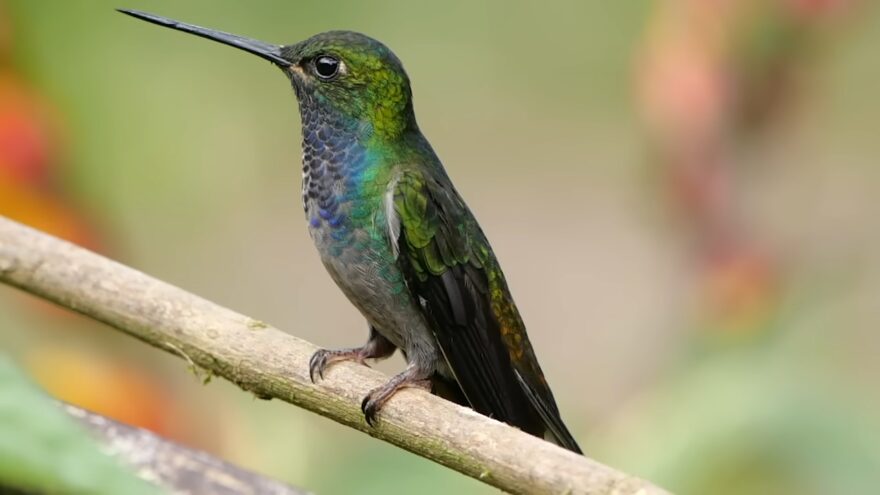
Spring hummingbird migration is the northward movement that begins after winter in Mexico and Central America, as hummingbirds head toward summer breeding grounds across the United States and Canada.
Return timing changes by state, weather, species, food availability, and local environmental conditions. A warm spring can bring early sightings, while cold fronts, storms, or limited nectar can slow migration.
Use the timing below to estimate when hummingbirds usually come back in your area and when feeders should go outside.
State-by-State Hummingbird Return Map
View this post on Instagram
Dates below are estimates based on past sighting patterns. Actual timing can shift each year because of temperature, storms, winds, blooms, and species differences.
State
Estimated Return Window
Best Time to Put Out Feeders
Alabama
Mid-March to early April
Early March
Alaska
Late April to May
Mid-April
Arizona
January to March
Early January
Arkansas
Mid-March to early April
Early March
California
February to April
Mid-February
Colorado
Mid-April to May
Early April
Connecticut
Late April to early May
Mid-April
Delaware
Early to mid-April
Late March
Florida
January to March
Early January
Georgia
Mid-March to early April
Early March
Hawaii
Not a regular hummingbird migration state
Feeders not needed for native hummingbirds
Idaho
Late April to May
Mid-April
Illinois
Mid-April to early May
Early April
Indiana
Mid-April to early May
Early April
Iowa
Late April to early May
Mid-April
Kansas
Early to mid-April
Late March
Kentucky
Early to mid-April
Late March
Louisiana
Late January to mid-March
Mid-January
Maine
Late April to May
Mid-April
Maryland
Early to mid-April
Late March
Massachusetts
Late April to early May
Mid-April
Michigan
Late April to May
Mid-April
Minnesota
Late April to May
Mid-April
Mississippi
Mid-March to early April
Early March
Missouri
Early to mid-April
Late March
Montana
Late April to May
Mid-April
Nebraska
Mid-April to early May
Early April
Nevada
March to April
Mid-March
New Hampshire
Late April to May
Mid-April
New Jersey
Mid-April to early May
Early April
New Mexico
March to April
Mid-March
New York
Late April to early May
Mid-April
North Carolina
Late March to mid-April
Mid-March
North Dakota
May
Mid-April
Ohio
Mid-April to early May
Early April
Oklahoma
Mid-March to early April
Early March
Oregon
March to May
Mid-March
Pennsylvania
Mid-April to early May
Early April
Rhode Island
Late April to early May
Mid-April
South Carolina
Mid-March to early April
Early March
South Dakota
Late April to May
Mid-April
Tennessee
Late March to mid-April
Mid-March
Texas
Late January to March
Mid-January
Utah
Mid-April to May
Early April
Vermont
Late April to May
Mid-April
Virginia
Early to mid-April
Late March
Washington
March to May
Mid-March
West Virginia
Mid-April to early May
Early April
Wisconsin
Late April to May
Mid-April
Wyoming
Late April to May
Mid-April
Hummingbird Central tracks spring migration between late January and May using submitted sightings, which can help bird lovers compare local reports as migration moves north.
Early states such as Texas, Louisiana, Florida, Arizona, and other southern areas often begin seeing hummingbird activity in March or earlier.
Mid-season states across much of the Southeast, Mid-Atlantic, and central United States usually see arrivals during March and April.
Late states such as Michigan, Minnesota, Wisconsin, Vermont, New Hampshire, North Dakota, South Dakota, and Wyoming often see first arrivals in May.
When Do Hummingbirds Return in Spring?
Hummingbirds usually return sometime between late January and May. Timing depends on region, weather, species, and food supply.
Ruby-throated Hummingbirds often begin spring migration in late February to early March. Early spring arrivals are often male birds, and reports commonly appear in Texas, Louisiana, and other Gulf Coast areas between late January and mid-March.
Northern states and Canadian provinces usually see first arrivals later in spring, often in April or May.
Male hummingbirds usually arrive before females, often by about 10 to 14 days.
Migration does not happen all at once. Individual hummingbirds move at different speeds, stop in different yards or natural areas, and may pause when the weather or food supply changes.
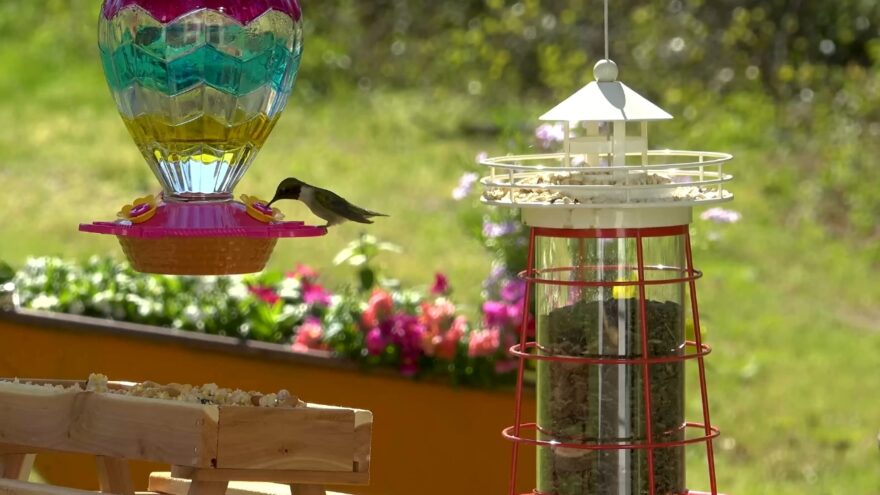
Early arrivals may show up before a state’s normal window. A feeder placed ahead of time can give those birds quick access to nectar when natural food is still limited. Put hummingbird feeders outside about two weeks before your state’s estimated arrival date. Early placement helps birds that arrive ahead of schedule and supports migrants that stop briefly during travel. Good feeder timing depends on both state patterns and local spring conditions. Gardeners in warmer valleys may see birds sooner than people in colder mountain areas within the same state. A simple nectar recipe works best. Use 1 part white sugar to 4 parts water. Heat water if needed to dissolve sugar, then let the nectar cool before filling feeders. Avoid red dye, honey, brown sugar, powdered sugar, and artificial sweeteners. Clean feeders often, especially during warm weather. Hot temperatures can cause nectar to spoil quickly, which can harm hummingbirds. Fresh nectar and clean feeder ports help keep visiting birds safe. Weather and environmental conditions can move arrival dates earlier or later each year. Cold fronts, headwinds, and heavy rain over the Gulf Coast can make migration harder. Birds may pause until conditions improve, especially after long flights over water or along stormy coastal routes. Blooming flowers, nectar, and insects affect where hummingbirds stop and how quickly they move. A yard with early blooms, clean feeders, and insect activity may attract a passing hummingbird sooner than nearby areas with limited food. Hummingbirds may stop for only a few minutes, or they may stay several days when food is abundant. Some hummingbirds can also change migration routes based on available flowers and feeding opportunities. Elevation matters too. Higher mountain areas often see later arrivals than nearby lowlands because spring warmth arrives later and blooms open more slowly. Hummingbirds usually come back between late winter and spring, with southern states seeing them first and northern states seeing them later. Best feeder timing is about two weeks before your state’s expected arrival window. Early feeders help support birds that arrive ahead of schedule or pause during migration. State-by-state return maps and live sighting reports are useful planning tools, but weather, food supply, and species differences can shift timing each year.
When to Put Out Hummingbird Feeders
Why Return Dates Vary
Closing Thoughts