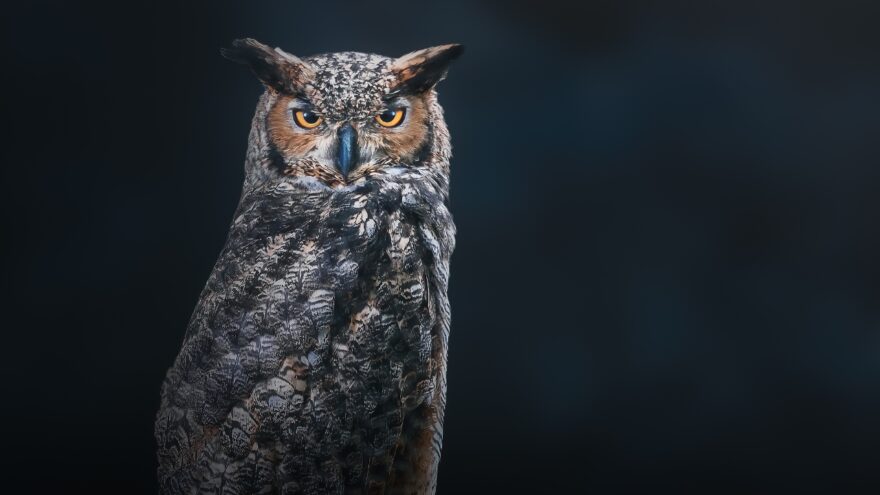
Hearing a hoot, screech, trill, whistle, or strange cry after dark can feel eerie, especially when the bird stays hidden. Owl calls are not random night noise.
Owls use sound to claim space, attract mates, keep pairs connected, contact young, warn rivals, signal distress, or defend a nest.
A classic hoot may seem simple, but meaning depends on context.
A hoot is only one part of owl communication. Many owls also screech, whistle, click, bark, hiss, growl, trill, chatter, or snap their bills.
Let’s talk about it.
Main Reasons Owls Hoot
Owl hooting usually has a purpose tied to survival or breeding.
Meaning becomes clearer when the call pattern is matched with season, tone, and the number of owls calling. Territorial defense is one of the most common reasons owls hoot. A male owl may perch inside his territory and send rhythmic hoots into the night. That call warns other owls that hunting space, nesting space, or a valuable nest cavity is already occupied. A lone owl calling repeatedly in the same area often signals a territorial announcement. Repeated calling across several nights makes that meaning more likely, especially if the sound comes out of the same stand of trees, field edge, barn area, or wooded yard. Conflict changes the sound. A steady hoot can become louder, faster, and harsher if a rival enters the area. Late summer and early fall can bring more territorial tension. Young owls leave their birth areas and search for mates and territories, which can push them into occupied areas. Courtship hooting can sound similar to territorial calling because both messages often overlap. A calling owl may be warning rivals while also advertising strength to a potential mate. Hooting can attract mates and signal that an owl has useful resources. A strong caller may be showing access to good hunting grounds, enough stamina to defend space, and a suitable nest site. Great Horned Owls breed early for a practical reason. Their young need meat, and hunting can be easier before spring leaves give prey more cover. Calling during courtship also helps secure territory before breeding begins. Pair-bonding calls are usually calmer than territorial conflicts. Mated owls may call back and forth in duets, strengthening their bond while telling nearby owls that a territory already has an established pair. Great Horned Owls often pair for life, and hooting helps maintain that bond. In a Great Horned Owl duet, the female often begins with six or seven hoots. About thirty seconds later, the male may answer with about five lower-pitched hoots. After the first egg is laid, Great Horned Owls often become quieter and shift attention to raising young. Owl calls vary widely by species, age, mood, and season. A hoot is often linked with territory or mating, but many owls also screech, trill, hiss, chatter, or snap their bills. Sound type gives the first clue, but context gives the meaning. Likely meanings include territory, mate attraction, and pair bonding. Low, resonant hoots are often made by adult owls defending space or communicating with mates. Great Horned Owls are known for the classic hoot many people recognize at night. Their calls are also commonly used in movies to represent owls. A single owl giving loud, spaced hoots may be announcing territory. During fall and winter, that same pattern can also connect to mate attraction or pair behavior. Likely meanings include courtship, pair bonding, or mates checking in. Two owls answering each other peacefully often suggest social or breeding behavior. In Great Horned Owls, duets may include different pitches because the male often gives the lower call, even though he is smaller than the female. Pitch alone should not decide identification. Calm timing matters. Even spacing usually points to pair contact, while loud overlap and harsh notes point more toward agitation. Likely meanings include territorial conflict, agitation, or a direct challenge. Rapid hooting can signal that an encounter has escalated. Multiple owls calling loudly and intensely may mean a rival has entered another owl’s territory. Hoots can mix with hissing, growling, bill snapping, screeching, or other harsh noises. Timing can make aggressive calling easier to interpret. Late summer into early fall brings dispersing young owls into new areas. Courtship and breeding periods can also increase territorial defense because adults are protecting space, mates, nest sites, eggs, or young. A steady rhythm usually sounds controlled. Aggressive calling usually sounds louder, tighter, rougher, or more chaotic. Fun Owl Fact: Not all owls hoot! Barn Owls make hissing sounds, the Eastern Screech-Owl whinnies like a horse, and Saw-whet Owls sound like, well, an old whetstone sharpening a saw. Hence the name — 🌻Jon Eimer (@BucketJonBets) February 26, 2026 Likely meanings include distress, juvenile begging, alarm, or species-specific communication. Barn Owls are especially known for sharp screeches rather than classic hoots. Their calls can sound eerie, harsh, and unsettling. Some owl screams sound like a woman screaming or a human-like cry at night. A frightening sound does not automatically mean danger to people. Juvenile owls can be especially noisy. Young birds may call repeatedly while adults hunt nearby. Likely meanings include courtship, bonding, fledgling communication, or species-specific contact. Eastern Screech-Owls can produce soft trills and whinny-like calls. These sounds may be musical and rhythmic rather than low and hooting. Late spring and early summer can bring more whistles, begging calls, and strange juvenile sounds as young owls leave nests. Young birds may call to parents while adults hunt or move nearby. Trills and whistles can also help mates bond or keep family members connected. A soft, patterned sound in a wooded yard or park may belong to an Eastern Screech-Owl. Likely meanings include warning, defense, agitation, or response to a nearby threat. Harsh owl sounds usually mean the bird feels threatened. Barks, growls, hisses, and bill snaps may happen near a nest, near young owls, near a predator, or near a person who has come too close. Defensive sounds are more likely during nesting season in spring and summer. Juvenile owls may also hiss to scare predators. A defensive owl is not trying to create mystery. It is asking for distance. Likely meanings include parent-chick communication, family contact, or location signaling. Chirps and chatters are usually softer than hoots or screams, but they still carry useful information. Parent owls and chicks may use short, repetitive notes to stay connected, especially while adults are foraging. Young owls may chirp or chatter after leaving the nest to signal location. Burrowing Owls can produce chirps that sound almost like small songbirds. Their calls show that owl communication can sound tiny, sharp, and birdlike rather than low and haunting. Owl calls are meaningful signals. A hoot, screech, trill, hiss, chatter, or snap can point to territory, mating, bonding, warning, distress, or family contact. The same sound can mean different things depending on context. Best clues include call type, number of owls, rhythm, pitch, season, location, habitat, and tone. A calm duet may point to pair bonding. A lone steady hoot may mark territory. A harsh hiss or bill snap may warn that someone is too close. A soft juvenile call may help a young owl stay connected with adults.
Territory – “My Area Is Taken”
Courtship – “I’m Here, Strong, and Available”
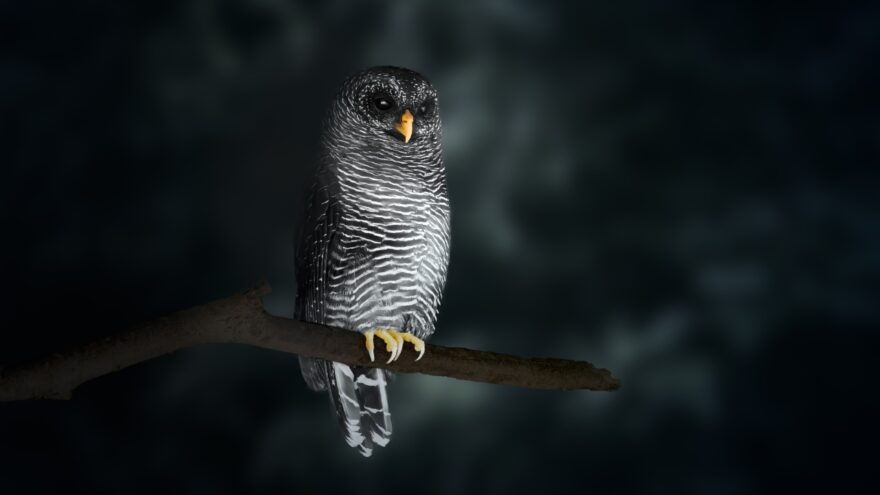
Pair Bonding – “We’re a Pair”
Common Owl Sounds and Likely Meanings
Classic Low Hoots
Back-and-Forth Hooting
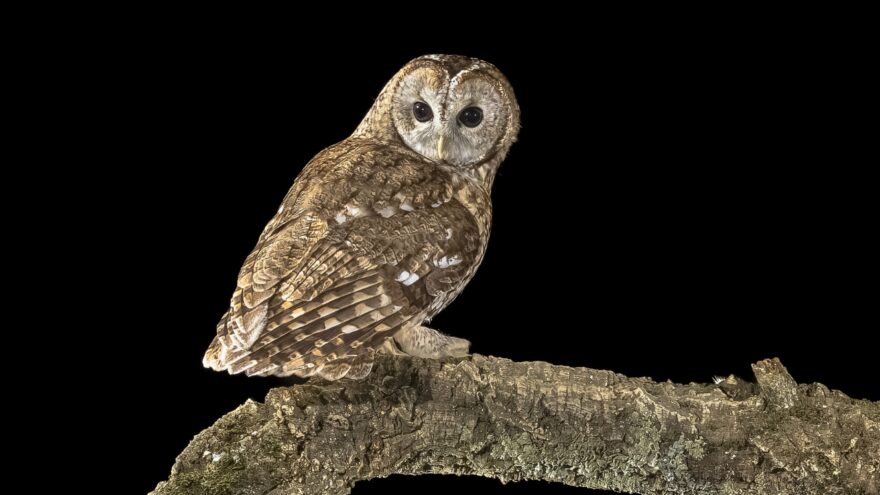
Rapid or Aggressive Hooting
Screeches and Screams
Whistles, Trills, and Whinnies
Barks, Hisses, Growls, and Bill Snaps
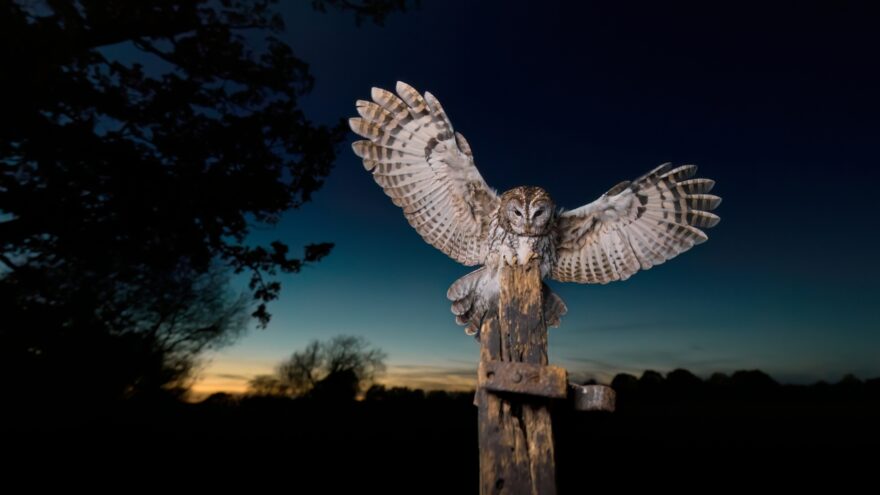
Chirps and Chatters
Summary