Effective observation of vernal flora within the American Southwest necessitates a strategic analysis of altitudinal gradients, cumulative precipitation data, and validated phenological reports.
Low-elevation arid basins in Southern California and Arizona typically exhibit anthesis from February through early April. Mid-elevation ecosystems peak from March into May, while high-altitude canyon corridors sustain floral displays into June.
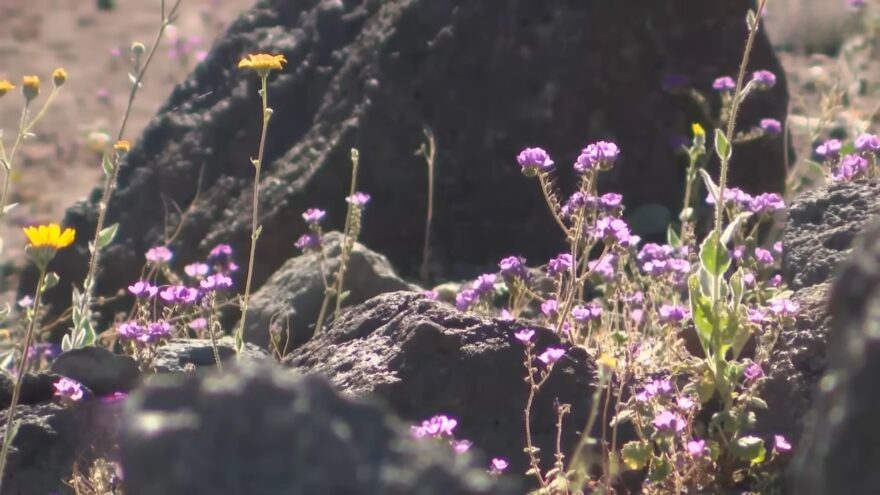
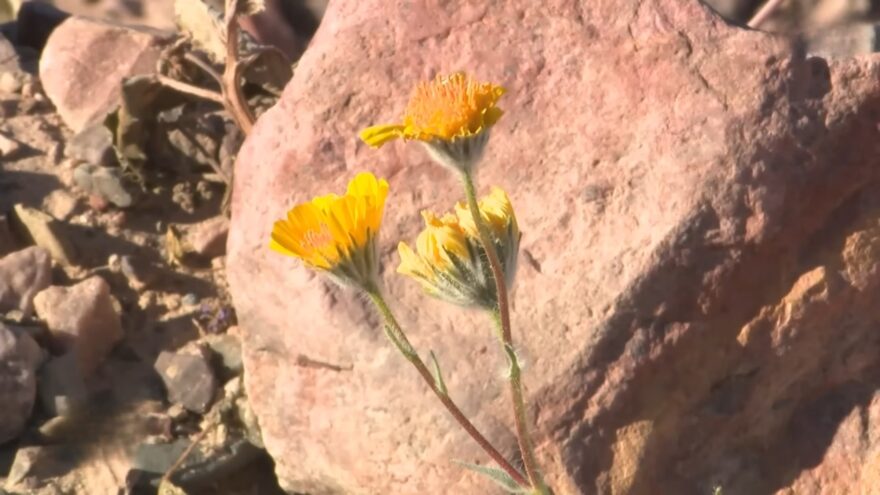
Recently, Death Valley documented a low-elevation “superbloom” prior to seed senescence in early May. Concurrently, California State Parks forecasted a robust desert bloom following significant autumnal and hibernal precipitation events.
Arizona State Parks corroborated that substantial winter rainfall served as a primary indicator for Sonoran Desert floral density. Precise timing is contingent upon the temporal spacing of rain, thermal accumulation, eolian stress, and edaphic conditions.
Quick Spring Bloom Snapshot
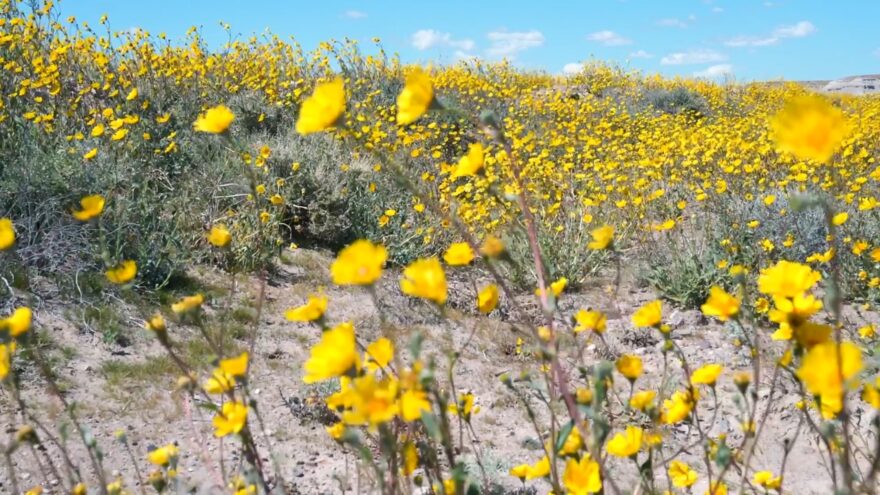
Chasing the bloom requires a regional ecological perspective rather than fixed scheduling.
A climax poppy display near Phoenix may occur while Joshua Tree remains dormant, as low-elevation Death Valley populations transition to seed before Utah canyon communities commence.
Ecoregion
Optimal Phenophase
Indicator Taxa
2026 Ecological Observations
Death Valley, California
February to mid-July by elevation
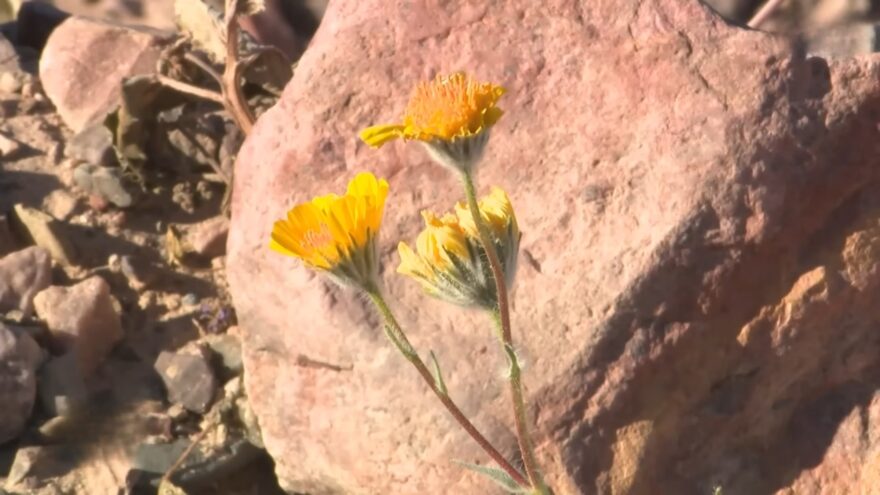
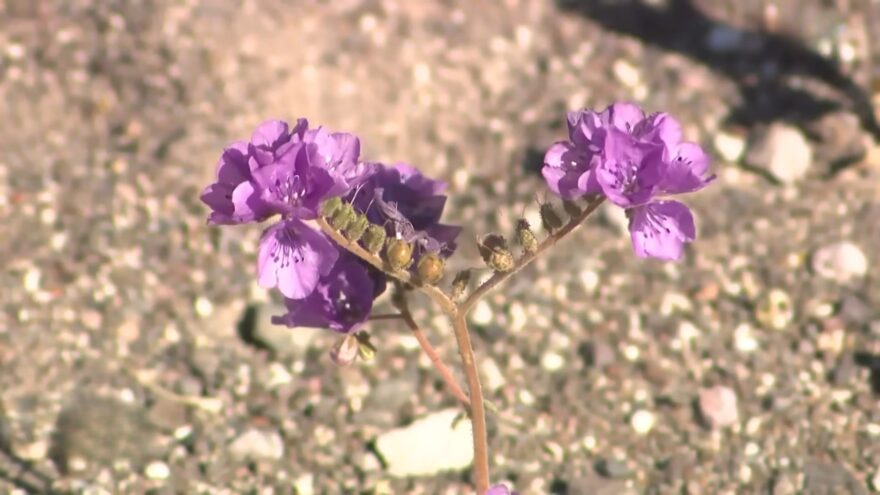
Desert gold, phacelia, sand verbena
Low-elevation taxa achieved seed set by May 6; montane zones retained sporadic anthesis, per Death Valley wildflower updates.
Anza-Borrego, California
January to April, then cactus
Sand verbena, primrose, brittlebush
An April 25 update indicated a shift toward succulent and perennial shrub anthesis, according to the Anza-Borrego bloom report.
Antelope Valley Poppy Reserve
Mid-March through April
California poppy, fiddleneck
Peak biomass typically occurs in late March or early April, according to California State Parks guidance.
Sonoran Desert, Arizona
February to May
Poppy, lupine, globemallow
Picacho Peak displays often initiate in early March; Cactaceae anthesis increases in May, per Arizona State Parks.
Joshua Tree and Mojave
January to early summer
Lupine, chia, cactus flowers
Succession moves from low to high elevation as thermal units accumulate, per Joshua Tree bloom guidance.
Utah canyon country
April and May
Primrose, cactus flowers
Arches identifies April and May as the primary windows for floral productivity, according to Arches National Park.
Best Places To See Southwest Wildflowers In Spring
Field excursions are most productive when focusing on an ecoregion while identifying secondary sites across altitudinal gradients.
A primary bloom site may undergo rapid senescence due to heat or eolian stress, while a neighboring park at a different elevation may be entering its reproductive peak.
Death Valley National Park, California
Death Valley represents the premier site for rare mega-blooms due to its extreme topographic relief, which facilitates a protracted reproductive season across diverse life zones.
The National Park Service catalogs low-elevation anthesis from mid-February to mid-April, mid-level displays from early April to early May, and montane recruitment from early May through mid-July.
In 2026, the NPS reported that low-elevation populations had successfully transitioned to seed set by May 6 following a major yellow and purple display, as noted in the Death Valley bloom overview.
Primary viewing habitats include low-lying washes and alluvial fans near Furnace Creek.
Rapid thermal increases can curtail phenological windows; therefore, late-season observations should be restricted to crepuscular hours to mitigate physiological stress on the observer and avoid trail degradation.
Anza-Borrego Desert State Park, California
Anza-Borrego, California’s largest state park, serves as a vital repository for desert biodiversity. Its proximity to Borrego Springs facilitates logistical support for researchers and observers studying the flower-prone desert washes.
California State Parks defines the area as a complex mosaic of desert washes, palm oases, and diverse xeric communities, according to the official Anza-Borrego park page.
In January 2026, state authorities predicted a moderate-to-high floral density across desert units, with Anza-Borrego and Red Rock Canyon exhibiting early recruitment following widespread precipitation.
By April 25, official reports indicated that most desert ephemerals had completed their reproductive cycle, yielding to the anthesis of perennial Cactaceae and woody shrubs, per the California Parks release.
Prioritize high-value habitats like sandy washes. Key taxa for identification include Abronia villosa, Geraea canescens, Chylismia claviformis, and Encelia farinosa, as well as several species of Cylindropuntia and Ferocactus.
Antelope Valley California Poppy Reserve
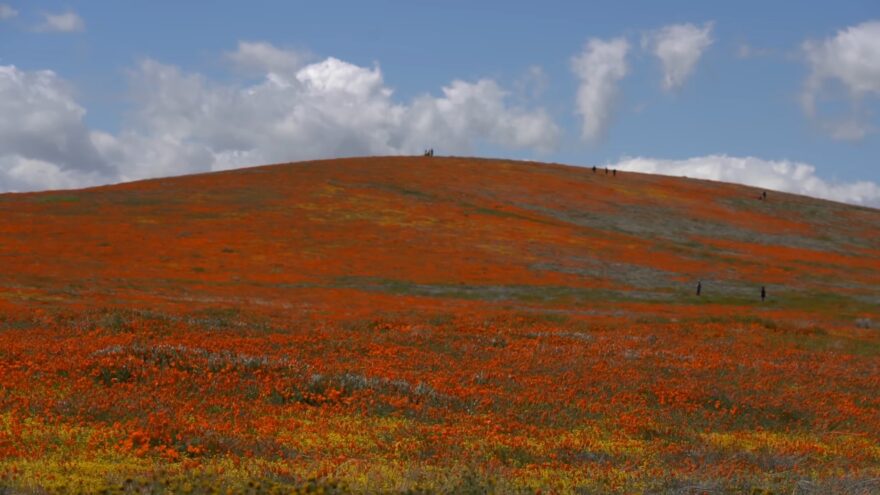
The Antelope Valley Reserve is renowned for its high-density displays of Eschscholzia californica. California State Parks indicates the bloom typically persists from mid-March through April, with peak biomass frequently occurring in late March.
In 2026, ecologists anticipated prolific recruitment of poppies, Amsinckia, and Erodium cicutarium from mid-March through May across the reserve.
Phototropism and nyctinasty are significant here; poppies close during low light or eolian events. Stay on delineated pathways; these fragile habitats recover poorly from soil compaction and anthropogenic disturbance.
Picacho Peak And Arizona State Parks
Picacho Peak State Park is a primary site for observing Sonoran annuals. Arizona State Parks indicates early March initiates the anthesis of Mexican poppies and Lupinus, followed by Encelia farinosa and Sphaeralcea ambigua.
By May, Carnegiea gigantea and other Cactaceae dominate the landscape.
The 2026 Bloomdar highlighted that substantial winter rain favored a high-yield season. Optimal floral density is typically found on south-facing slopes and bajadas where moisture retention is maximized.
Saguaro, Organ Pipe, Joshua Tree, New Mexico, And Utah
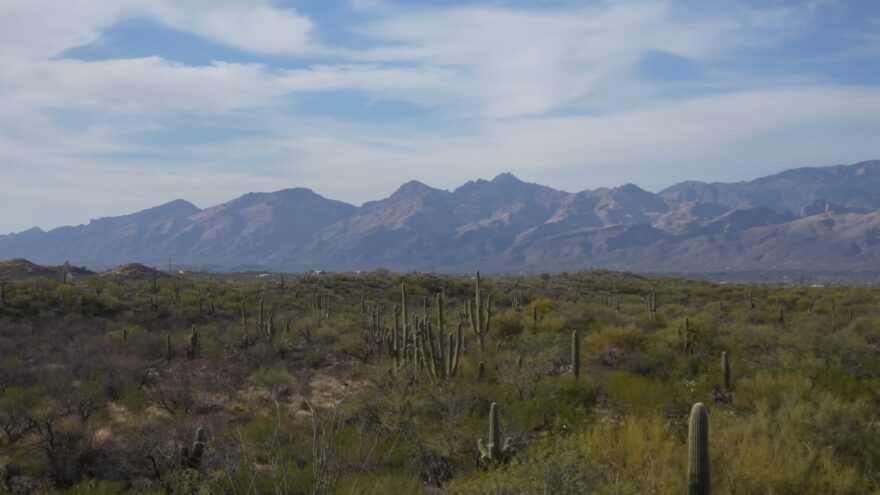
Tucson’s desert parks provide a more stratified phenological season. Saguaro National Park identifies at least three distinct flowering intervals annually.
Carnegiea gigantea typically initiates anthesis in late April, reaching its reproductive peak from late May through early June, per Saguaro flower notes.
Tonto National Monument identifies a similar cactus succession: Echinocereus blooms in March/April, Carnegiea in May/June, and Yucca populations flower from late spring into the summer season.
Organ Pipe Cactus National Monument exhibits distinct Sonoran character through the anthesis of Stenocereus thurberi, Fouquieria splendens, and Larrea tridentata. Further ecological data is available in the Tonto wildflower details.
View this post on Instagram
Joshua Tree rewards analysis of disparate ecotones. Mojave National Preserve remains a quieter refuge; Teutonia Peak is a primary locale for observing Yucca brevifolia anthesis during favorable precipitation years.
The high-desert ecosystems of New Mexico and Utah support Pinus-Juniperus woodlands and diverse Castilleja, Penstemon, and Oenothera populations.
New Mexico Magazine highlights Cerrillos Hills as a key site for April cactus and paintbrush displays in its guide to New Mexico wildflowers.
Common Southwest Wildflowers To Learn By Sight
Identification of key taxa provides insight into regional ecological health and seasonal progression.
Analyzing floral morphology allows observers to appreciate cryptic species often overlooked during major bloom events.
Flower
Common Color
Best Clue
Common Viewing Areas
Eschscholzia californica / E. mexicana
Orange to gold
Crateriform corolla; phototropic
Antelope Valley, Sonoran bajadas
Lupinus spp.
Purple or blue
Terminal racemes; papilionaceous flowers
Arizona poppy fields, sandy washes
Encelia farinosa
Yellow
Hemispherical shrub; tomentose foliage
Sonoran and Mojave roadsides
Sphaeralcea ambigua
Orange, apricot, pink
Malvaceous cups on paniculate cymes
Arizona, New Mexico, Utah desert edges
Abronia villosa
Purple or pink
Prostrate habit on arenaceous substrates
Anza-Borrego and Death Valley
Baileya multiradiata
Yellow
Radiate capitula; floccose foliage
Arizona, Nevada, New Mexico, Southern California, Texas, Utah
Penstemon spp.
Pink, red, purple
Bilabiate tubular corollas
Canyon country, rocky slopes
Echinocereus engelmannii
Pink to magenta
Large actinomorphic flowers on costate stems
Sonoran parks, New Mexico foothills
The Desert Botanical Garden’s 2026 checklist for Phoenix documented Orthocarpus purpurascens, Phacelia campanularia, and Salvia columbariae, emphasizing the diverse species composition of Sonoran communities beyond poppy monocultures, as detailed in the Phoenix spring wildflowers.
How To Plan A Spring Wildflower Trip
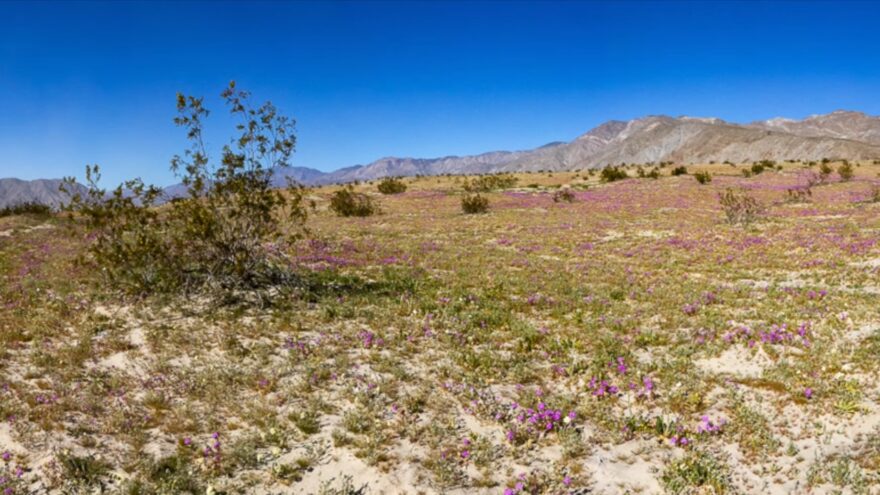
Observation schedules must account for weekly climatic shifts and altitudinal gradients. A robust itinerary should prioritize a primary study site and two secondary ecological alternatives.
For Q1 (February–March), prioritize the Colorado and Sonoran Deserts, specifically Anza-Borrego, low-elevation Death Valley, and Picacho Peak.
For April, include the High Mojave, the Antelope Valley reserve, and the lower Colorado Plateau communities in Utah.
For Q2 (May–June), focus on higher altitudes: Carnegiea anthesis in Tucson, Arches plateau trails, and high-elevation Mojave and Death Valley communities.
Arid flora exhibits pulsed recruitment because ephemerals remain in the seed bank until specific hydro-thermal thresholds are met. Death Valley National Park indicates that prolific displays require synchronized autumnal and vernal moisture, sufficient thermal units, and minimal desiccation from winds; 13mm of rain can leach germination inhibitors from seed coats. Topography functions as a temporal regulator. Xeric basins flower first, followed by mid-slope bajadas and cooler montane uplands. Joshua Tree National Park observes that anthesis typically originates in low-elevation locales like Cottonwood, progressing through Mojave woodland before reaching the Black Rock highland. The term “superbloom” requires botanical rigor. Organ Pipe Cactus National Monument defines these as infrequent ecological events triggered by extraordinary hibernal rainfall that allows multiple taxa to reach peak biomass simultaneously. Many seasons yield roadside color or isolated recruitment without a landscape-scale event, as detailed in Organ Pipe bloom guidance. Ethical observation requires strict adherence to durable surfaces and the preservation of biological material to ensure future recruitment. The U.S. Forest Service emphasizes that the removal of germplasm or biomass destabilizes pollinator networks and reduces the local seed bank, according to its wildflower ethics guidance. California State Parks mandates staying on designated trails to prevent soil crust degradation and ensure uninhibited seed production for subsequent seasons. For initial field studies, select an ecoregion and a flexible three-day observation window. Anza-Borrego offers excellent logistical access, while Death Valley provides a high-contrast study in scale and xeric topography. Tucson is ideal for observing protracted succulent anthesis. Antelope Valley serves as a primary site for Eschscholzia studies. High-plateau communities in Utah and New Mexico are better suited for late-season observations of perennial canyon flora. Southwest floral recruitment is inherently stochastic. In 2026, high rainfall facilitated significant displays, yet each unit responded according to its localized ecological parameters. Monitor agency updates and prioritize altitudinal analysis. By viewing these blooms as dynamic biological events rather than static displays, observers gain a deeper understanding of desert ecological resilience.
Why Southwest Wildflowers Bloom In Pulses
Xeric Conservation Ethics
Pet management is critical. The Anza-Borrego Foundation notes that dogs are prohibited from trail systems to protect sensitive habitats; rattlesnake activity also necessitates cautious movement in desert washes, as explained in the Anza-Borrego wildflower guide.A Note for Ecological Observers