Most animals need liquid water often, but some desert and dry-climate species can go long periods with little direct drinking. Many people call them animals that never drink water, but that phrase is not fully accurate. No animal lives without water.
Bodies need water for digestion, circulation, temperature control, waste removal, and cell function.
Better wording is animals that almost never drink visible liquid water.
Many of these species rarely drink from rivers, ponds, puddles, or lakes. Instead, they get moisture through food, dew, damp sand, nest humidity, body storage, or metabolic water made during digestion.
Rare drinking can still happen. Koalas usually rely on eucalyptus leaves, but during extreme heat, drought, or bushfires, they may drink in tree hollows, puddles, or rainwater running down tree trunks.
Now, let us see what are the animals that never drink water.
How Animals Survive With Little Direct Drinking
@s.o.adam What Animal Can Survive Without Water 💧 😱 #foryo #foryoupage #fyp #viral_video #animal
Dry-climate survival depends on gaining water in unusual ways and losing as little as possible. Some animals use food as their main water supply.
Others make metabolic water inside their bodies. Many reduce water loss with efficient kidneys, dry waste, night activity, burrows, pale coats, or dormancy.
Getting Water Through Food
Food-based hydration is common among animals that rarely drink. Seeds, leaves, roots, desert plants, insects, and prey can all carry enough moisture to support life.
Kangaroo rats survive mostly on dry seeds. Digestion turns those seeds into usable internal water. Koalas depend on eucalyptus leaves, which provide food and moisture. A koala may eat up to 1 kilogram of eucalyptus leaves per day.
Jerboas get water through moist plants, roots, seeds, and insects. Fennec foxes and sand foxes get moisture through prey and desert plants.
Desert tortoises use grasses, wildflowers, and cactus pads. Sand gazelles and addax antelopes rely mostly on desert vegetation.
Making Metabolic Water
Metabolic water forms inside the body when food breaks down. Kangaroo rats use metabolic water made during seed digestion.
Harvester ants digest fats in seeds and convert those fats into metabolic water.
Harvester ants also gain moisture through colony conditions:
- Nest humidity gives workers moisture without open drinking.
- Stored seeds keep water potential near the colony.
- Foraging choices reduce exposure during hot, dry periods.
- Small body size lowers individual water demand.
Saving Every Drop
Water conservation is as important as water intake. Kangaroo rats have extremely efficient kidneys and produce highly concentrated urine. Their urine can be thicker than syrup, while their feces are completely dry.
Jerboas also produce concentrated urine. Fennec foxes and sand foxes conserve water through efficient kidneys and concentrated urine.
Harvester ants reduce water demand through small body size, colony behavior, and careful foraging timing.
Avoiding Heat
Hot air increases water loss. Many animals that rarely drink are active at night or during cooler hours.
Kangaroo rats stay in cool underground burrows during the day. Jerboas avoid daytime heat and use large ears to release extra heat. Fennec foxes and sand foxes also rely on night activity and large ears.
Sand gazelles are active during cooler hours in dry regions of the Middle East and North Africa. Addax antelopes save most activity for nighttime in the Sahara.
Kangaroo Rat – Desert Hydration Champion
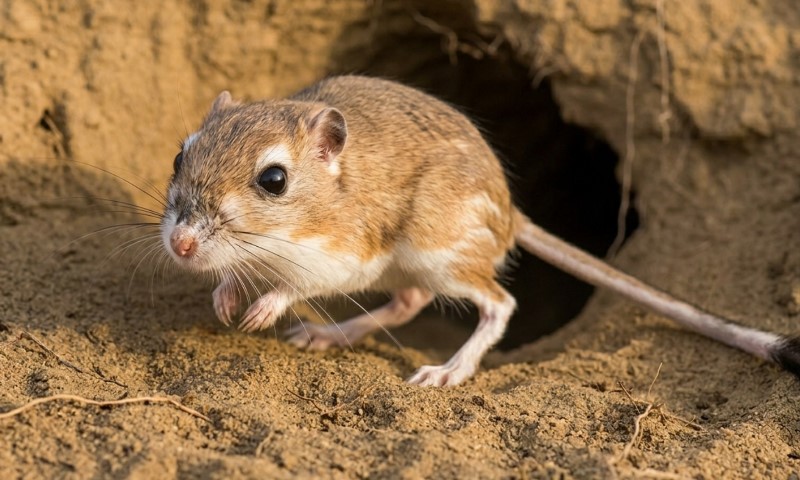
Kangaroo rats live in North American deserts and are among the best-known animals that rarely drink water. They survive mostly on dry seeds because digestion creates metabolic water.
Efficient kidneys help kangaroo rats keep that water. Highly concentrated urine and completely dry feces limit water loss. Cool burrows protect them during daylight, while night activity lowers heat exposure.
Key survival data includes:
- Habitat: North American deserts.
- Moisture source: metabolic water made during seed digestion.
- Water-saving tool: extremely efficient kidneys.
- Waste pattern: highly concentrated urine and completely dry feces.
- Heat strategy: daytime burrows and nocturnal activity.
Kangaroo rats survive by turning dry food into internal water and wasting almost none of it.
Koala – Leaf-Drinking Mammal
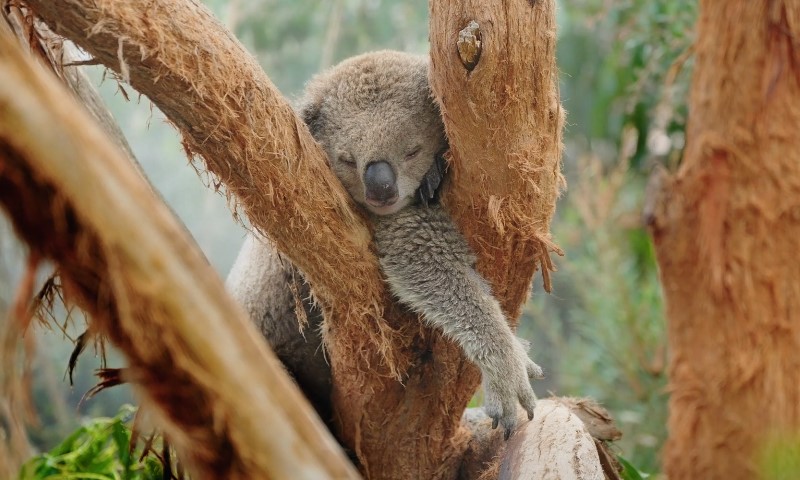
Koalas live in eucalyptus forests in Australia. Their main food is also their main water supply. Eucalyptus leaves provide enough moisture for most normal conditions.
A koala may eat up to 1 kilogram of eucalyptus leaves daily. That diet supplies moisture, but eucalyptus leaves are low in energy and hard to digest. Long rest periods help koalas save energy and water.
An old explanation links the name “koala” with an Aboriginal word meaning “no drink.” Still, koalas need water. They usually get it through leaves, not frequent drinking.
Extreme conditions can change that pattern. During heat waves, drought, or bushfires, koalas may drink liquid water. Some koalas also lick rainwater running down tree trunks, known as stemflow.
Koalas usually drink through leaves.
Thorny Devil Lizard – Lizard That Channels Water to Its Mouth
Thorny devil lizards live in dry regions of Australia. They collect tiny amounts of moisture through skin channels instead of normal drinking.
Small grooves between their scales move water toward the mouth through capillary action. Rain, dew, damp sand, and tiny droplets can all enter that system.
Moisture collection happens in several ways:
- Dew settles on the body during cool mornings.
- Rain moves along scale channels.
- Damp sand transfers moisture onto the skin.
- Capillary action carries droplets toward the mouth.
Thorny devil lizards also have specialized mouths for eating ants. In dry conditions, they may shovel damp sand onto their backs to collect moisture.
Thorny devil lizards survive by turning their body surface into a water-gathering system.
Fennec Fox and Sand Fox – Desert Hunters That Get Moisture Through Food
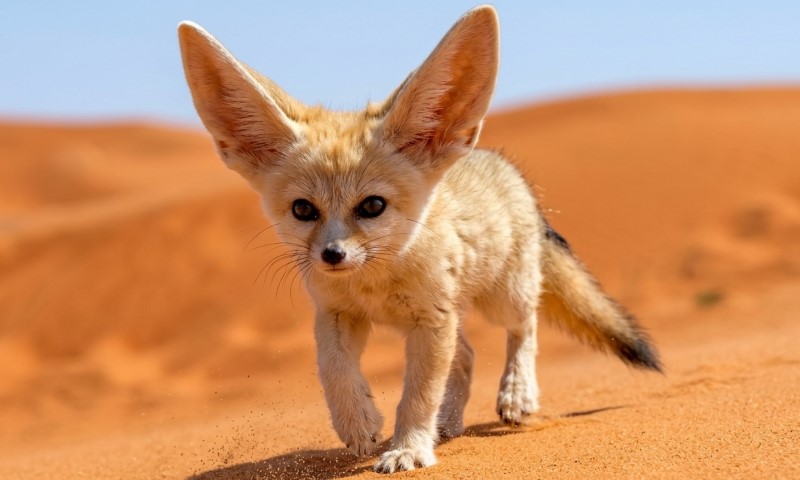
Fennec foxes and sand foxes live in extremely dry desert regions, including the Sahara. They rarely drink because prey and desert plants provide much of their moisture.
Several traits work together. Prey supplies fluid. Desert plants add moisture. Efficient kidneys reduce water loss. Large ears release heat. Night activity avoids the hottest daylight hours.
Cooler den spaces may also collect dew. These foxes may lick dew inside dens for extra moisture.
Fennec foxes and sand foxes survive through food moisture, heat control, and water conservation.
Jerboa – Tiny Desert Rodent With Big Survival Tools
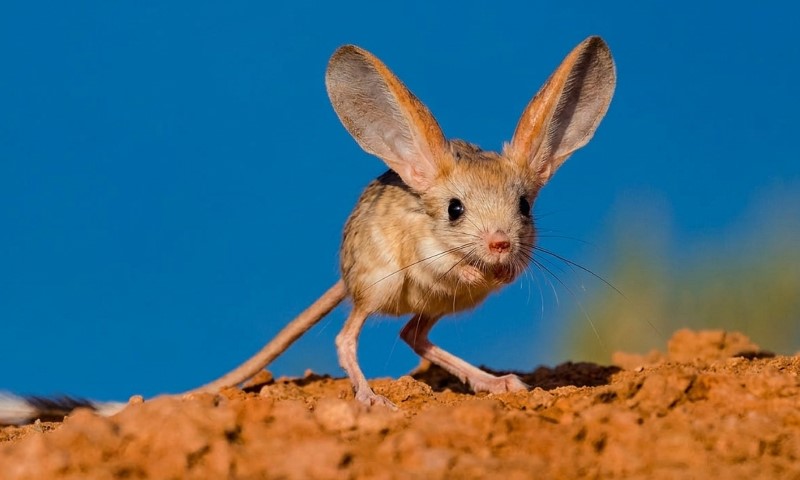
Jerboas are small desert rodents adapted for life with little direct drinking. Their water comes through moist plants, roots, seeds, and insects.
Night activity protects jerboas during extreme daytime heat. Large ears release excess body heat. Concentrated urine limits fluid loss.
Several traits support jerboa survival:
- Moist plants and roots provide water.
- Seeds and insects add nutrition and moisture.
- Highly concentrated urine limits water loss.
- Nocturnal activity reduces heat exposure.
- Large ears release excess heat.
Jerboas survive by pairing food-based hydration with heat avoidance.
Harvester Ants – Tiny Metabolic Water Makers
Harvester ants live in dry and desert environments where open water may be rare. Their strategy centers on seeds, metabolic water, nest humidity, and colony decisions.
Seed fats matter because digestion can convert them into metabolic water. Nest humidity adds another moisture source. Small body size keeps each worker’s water needs low.
Colony behavior protects water. Workers adjust foraging based on dry conditions, balancing food collection against dehydration risk. On harsh days, fewer workers may leave the nest.
Harvester ants may still drink free-standing water when it appears as dew, puddles, or feeder water in captive settings. Their advantage is careful use of seed moisture, nest conditions, and group behavior.
Desert Tortoise – Living Water Tank
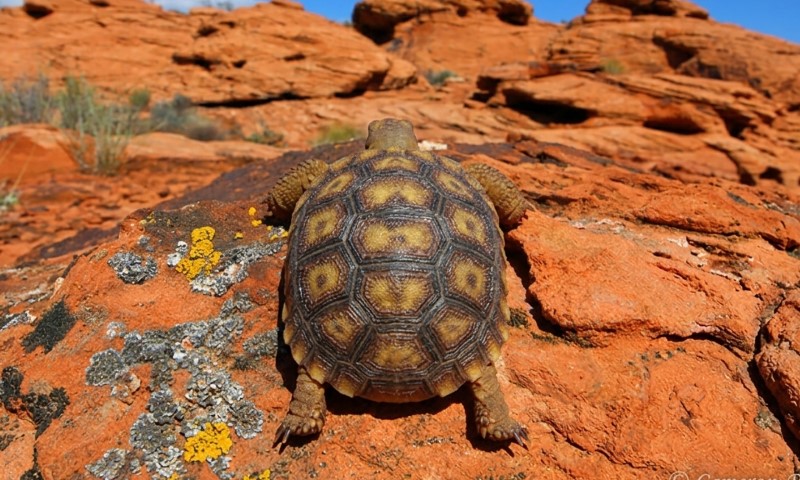
Desert tortoises live in desert ecosystems and can go months without directly taking in water. Their diet supplies moisture through grasses, wildflowers, and cactus pads.
Storage gives them a major advantage. When rain arrives, desert tortoises refill their internal reserves and use that water through long dry stretches. Slow movement and low activity help limit water demand.
Rainy periods allow key survival steps:
- Replacing water lost during dry periods.
- Building internal reserves for future drought.
- Using fresh plant growth as an added moisture source.
- Supporting survival when dry conditions return.
Desert tortoises survive by storing water when it appears and using it slowly.
Addax Antelope – Sahara Specialist
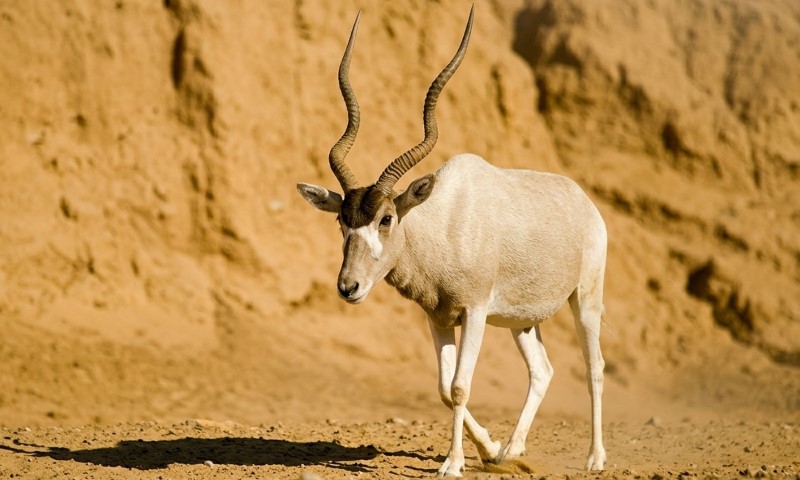
Addax antelopes live in the Sahara and rank among the most desert-adapted mammals. They rarely drink because desert vegetation supplies most of their moisture.
A pale coat helps reflect sunlight and reduce heat stress. Nighttime activity lowers water demand because cooler air reduces the need for body cooling. Fluid-conserving body systems help them survive with little open water.
Addax antelopes survive through desert vegetation, pale coats, nighttime movement, and water-saving body systems.
Gila Monster – Slow Metabolism, Low Water Demand
Gila monsters are venomous lizards adapted to dry habitats in the American Southwest. They get much of their water through prey and store moisture during favorable conditions.
Slow metabolism lowers the need for frequent hydration. When food is abundant, stored moisture can support survival later. Low activity helps stretch limited resources.
Gila monsters survive through prey moisture, storage, and low water demand.
Australian Water-Holding Frog – Drought Sleeper
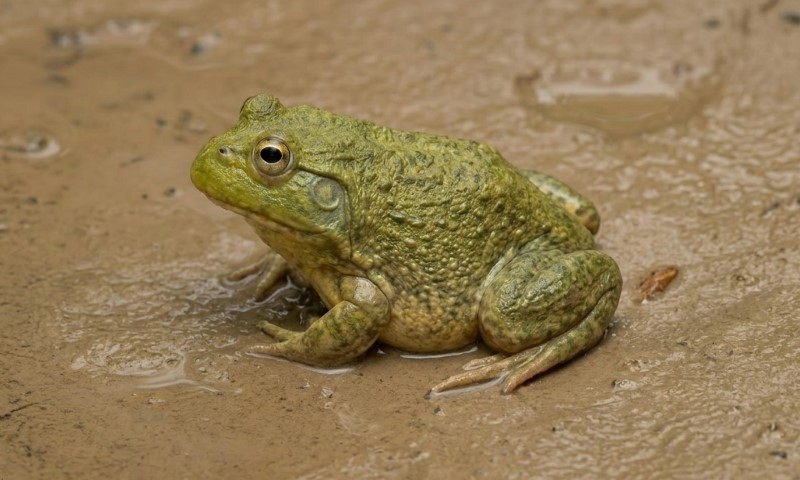
Australian water-holding frogs survive long dry periods by storing water during wet periods. Their bodies absorb and hold water before drought returns.
After storing water, these green animals bury underground and enter dormancy. Activity nearly stops, reducing water loss. Soil cover protects them against heat and dry air.
Their drought pattern is clear:
- Absorb water during wet conditions.
- Store water inside the body.
- Bury underground as dry conditions return.
- Enter dormancy through the dry season.
- Use stored reserves until rain returns.
Australian water-holding frogs survive by storing water and waiting underground.
Same Problem, Different Solutions
All of these animals face the same problem: water is scarce, and water loss can be deadly. Their solutions vary by body type, habitat, diet, and behavior.
Koalas, jerboas, addax antelopes, sand gazelles, desert tortoises, fennec foxes, and sand foxes rely heavily on food-based hydration.
Kangaroo rats and harvester ants make metabolic water during digestion. Thorny devil lizards collect moisture through skin channels.
Desert tortoises, Gila monsters, and Australian water-holding frogs use storage. Kangaroo rats, jerboas, foxes, addax antelopes, and sand gazelles reduce water loss by avoiding peak heat.
Adaptation does not remove the need for water. It creates ways to get water, conserve it, store it, collect it, or make it.
Summary
Animals that never drink water is a popular phrase, but animals that almost never drink water is more accurate. These species still need water, yet many do not rely on regular drinking at visible water sources.
Survival depends on extreme efficiency. Some animals get moisture through leaves, seeds, prey, insects, or desert plants. Others make metabolic water during digestion. Some collect dew or damp sand through body surfaces. Several store water, hide underground, stay active at night, or enter dormancy during dry seasons.
The best correction is simple: these animals do not live without water. They live without regularly drinking visible liquid water.