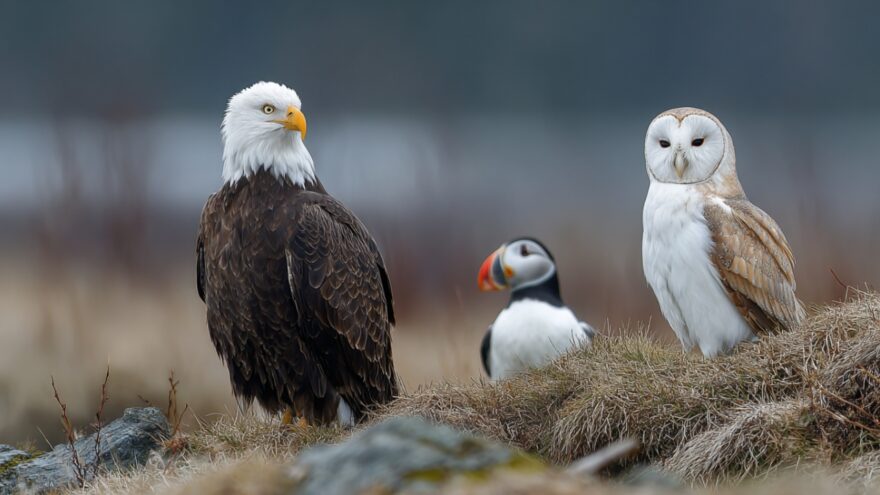
Lifelong devotion is not only a human idea. Across nature, many animals form lasting bonds that help them raise young, defend safe spaces, and survive demanding conditions.
Among birds, long-term pair bonding can be especially striking. A pair may return to the same nest year after year, share parenting duties, guard eggs together, or reunite after months apart.
To human eyes, these bonds can look romantic. In nature, commitment often has a practical side too.
About 90% of bird species are socially monogamous. In simple terms, that means many birds pair with one partner at a time, usually so both adults can cooperate during breeding and chick-rearing.
Lifelong bird pairs are not always together every minute of the year. Some separate outside breeding season, then meet again at the same nesting area when it is time to raise young. Others stay close all year.
Either way, their bond can become a powerful partnership built around survival, teamwork, parenting success, and territory defense.
1. Bald Eagles
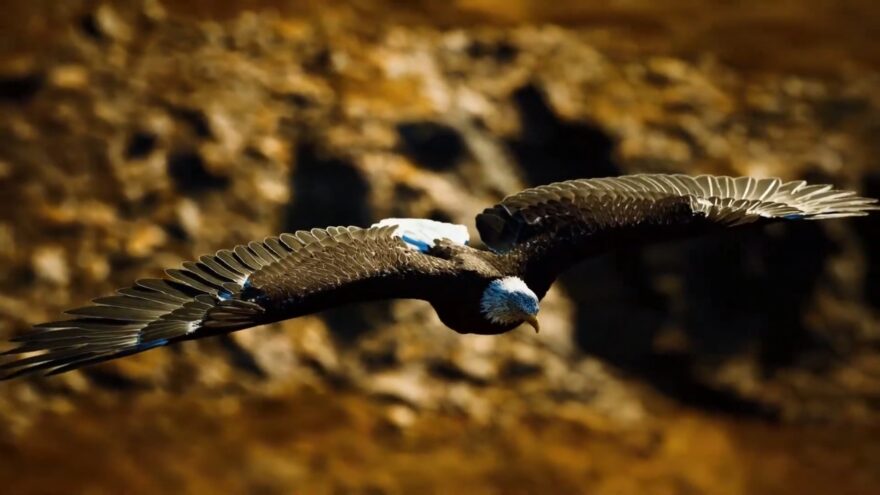
Bald Eagles often mate for life unless one partner dies. Their bond ranks among the most dramatic in North American bird life, joining power, loyalty, and teamwork high in the treetops.
Courtship can be spectacular. A pair may soar high, call loudly, lock talons, flip, spin, and tumble through open air in a breathtaking display known as the Cartwheel Display.
Near the ground, both birds release and fly apart before impact. Such aerial courtship can strengthen the pair bond before nesting begins.
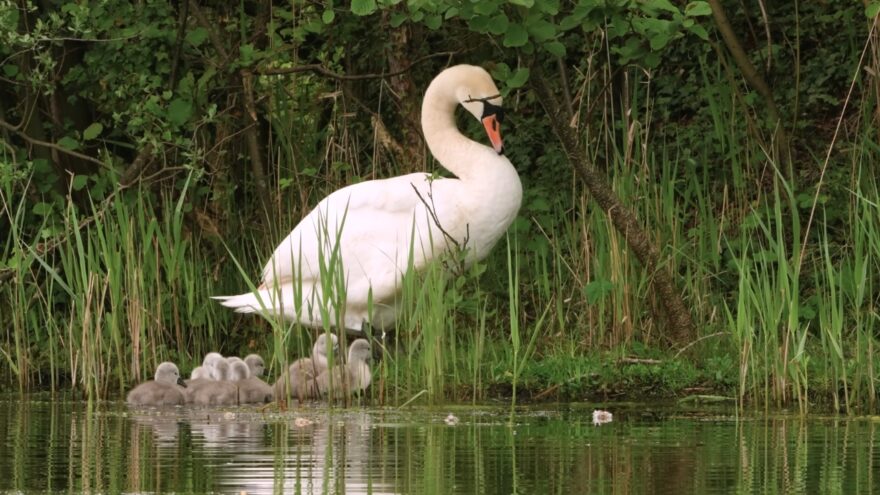
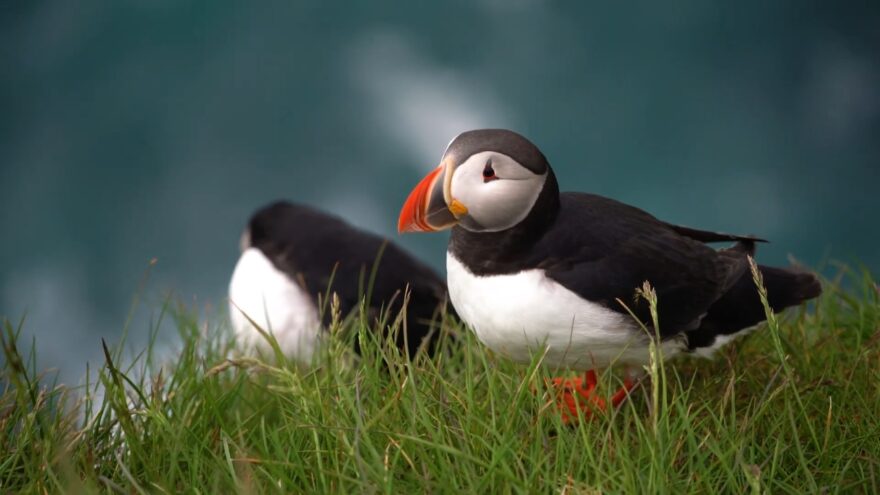
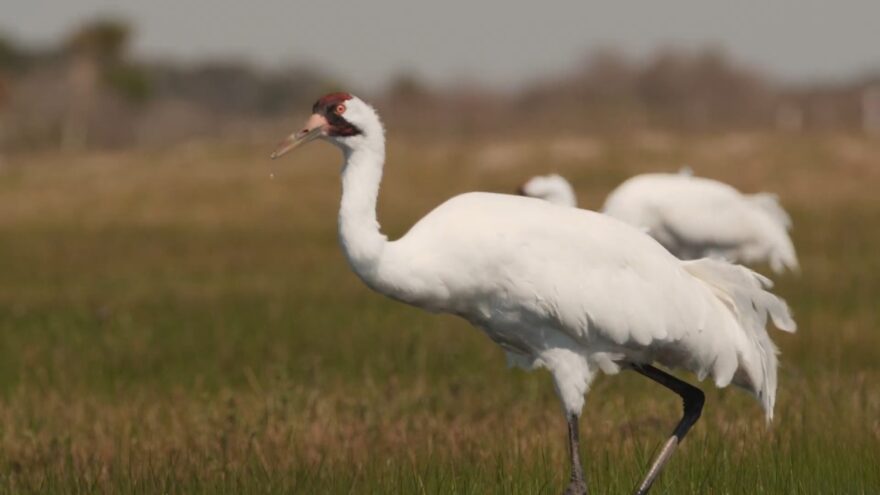
Bald Eagle nests can be enormous. Many measure around six feet across and four feet tall or larger. Some grow much larger over time and become extremely heavy because a pair may repair and reuse the same nest across many breeding seasons. Year after year, a Bald Eagle pair may return to the same nesting area. Each breeding season adds new sticks, new effort, and another chance to raise young. Courtship is slow, careful, and elaborate. Laysan Albatrosses usually do not breed until they are around eight or nine years old. Before choosing a partner, young birds practice ritual dances that can include bill clacking, bowing, calling, and synchronized movements. Once paired, adults renew their bond through dancing. Albatrosses are long-lived birds and may live up to around half a century. Their long lives match their slow, careful approach to pair bonding. Losing a mate can cause a major pause in breeding. A Laysan Albatross may spend a year or two in a mourning period before courting again. Ocean-crossing life makes their devotion feel especially powerful. An albatross may spend long stretches at sea, then return to the same nesting area and renew a bond through dance. Swans are among the most recognizable symbols of lifelong pairing. Their graceful movements and close pair bonds have long made them symbols of love and loyalty. Mute Swan pairs reportedly stay together for life, though divorce can occur. The average clutch size for Mute Swans is 5 to 7 eggs. A successful pair may defend territory, build nests, incubate eggs, and guard cygnets together. When a mate dies, re-pairing can happen. Female Mute Swans may find a new male in as few as three weeks. Males often wait until the following fall or winter. Bewick’s Swans add another remarkable example. A long-term study covering thousands of Bewick’s Swan pairs across more than 50 years reported no recorded divorce during that period. Swans may look like pure symbols of romance, but their bonds also involve defense, parenting, and survival. Elegance is only part of the story. Black Vultures may not fit the usual image of romantic bird pairs, but their bonds can be strong and lasting. These birds often stay together year-round, not only during breeding season. The average clutch size is 2 eggs. Instead of building traditional nests, Black Vultures lay eggs on the ground or inside hollow cavities. Courtship may involve one bird chasing another through the air, then diving toward the potential mate. Their displays are bold, fast, and physical. Black Vultures occur across a wide range, stretching from the northeastern United States to South America. A pair may stay close while still living within a larger family flock. Family ties can be important in their social life, yet the pair bond also carries real weight. Devotion in Black Vultures does not look soft or glamorous. It looks like staying near a partner, raising young in hidden places, and surviving as a team. Atlantic Puffins are small seabirds with strong breeding-site loyalty. Many return to the same mate and the same burrow each breeding season. Puffins are impressive flyers despite their compact bodies. They can fly up to 55 miles per hour and flap their wings around 400 times per minute. At sea, they spend much of their lives hunting fish and surviving harsh conditions. During breeding season, they return to land, burrows, and partners. A behavior known as billing adds a memorable visual detail. Partners rub their beaks together in a close social display. It can look affectionate, and it helps reinforce the pair bond. Shared parenting is central to puffin commitment. One adult may guard or warm the egg while the other hunts. Later, both adults bring food to the chick. In puffin life, staying together can help one small chick get the best possible start. Scarlet Macaws often form lasting pair bonds and are frequently seen side by side. Their brilliant red, yellow, and blue feathers make them visually unforgettable, but their social behavior is just as striking. Macaw pairs often preen each other. During preening, one bird removes bugs, debris, and damaged feather material. Partners may also preen their young, helping keep chicks clean and healthy. Careful parenting is another key part of their bond. Scarlet Macaws usually do not raise new chicks until the previous young are independent. That means adults invest heavily in each breeding attempt rather than rushing into the next one. Intelligence, color, affection, and patient parenting all shape Scarlet Macaw pair life. Their bond is not only beautiful to watch. It helps organize family care over long periods. Whooping Cranes are monogamous birds known for energetic courtship dances. They are also the tallest birds in North America, making their displays especially dramatic. Courtship displays can include bowing, wing-flapping, leaping, and bouncing on stiff legs. A pair may call together and move in ways that look almost choreographed. Dance is not only a display. It can help maintain the pair bond and prepare both birds for breeding. Whooping Crane devotion carries added meaning because the species has faced severe survival challenges. Every pair, every egg, and every chick matters. A strong bond can support nesting success and help young cranes reach independence. For these tall white birds, love often looks like dance, cooperation, and persistence. Barn owls are known for being intuitive, independent, and ghostly beautiful under the moonlight. pic.twitter.com/lmhit9Fwzd — Aura Mayari (@AuraMayari) May 29, 2026 Barn Owls are known for strong pair bonds and haunting nighttime calls. Their heart-shaped facial discs make them easy to recognize, and they live on every continent except Antarctica. Courtship can include aerial displays. A male may perform a moth flight display, hovering with dangling feet in front of a female. Food-gifting is also part of pair formation. Males may bring prey to females or deliver food to a nest area. Such gifts can show that a male can hunt well and support future chicks. Barn Owl pair life often centers on quiet cooperation. While one adult stays near eggs or young, the other may hunt. Devotion after dark is practical and demanding. Hunting, feeding, guarding, and raising owlets all require effort. For Barn Owls, a strong partner can make the difference between a failed nest and a successful brood. Lifelong bird pairs are not only romantic. They are cooperative, resilient, and practical. Their bonds can support nest-building, egg incubation, chick-rearing, territory defense, migration, and survival. For some, it looks like a dance. For others, it looks like a shared burrow, a massive nest, a food gift, or a careful watch over eggs. In nature, devotion often looks like teamwork. For these birds, staying together can give the next generation its best chance to survive.
2. Albatrosses
Albatrosses are famous for long-term pair bonds and long ocean flights. They may travel huge distances across open water, yet return to the same partner when breeding season arrives.
3. Swans
4. Black Vultures
5. Atlantic Puffins
6. Scarlet Macaws
7. Whooping Cranes
8. Barn Owls
Summary