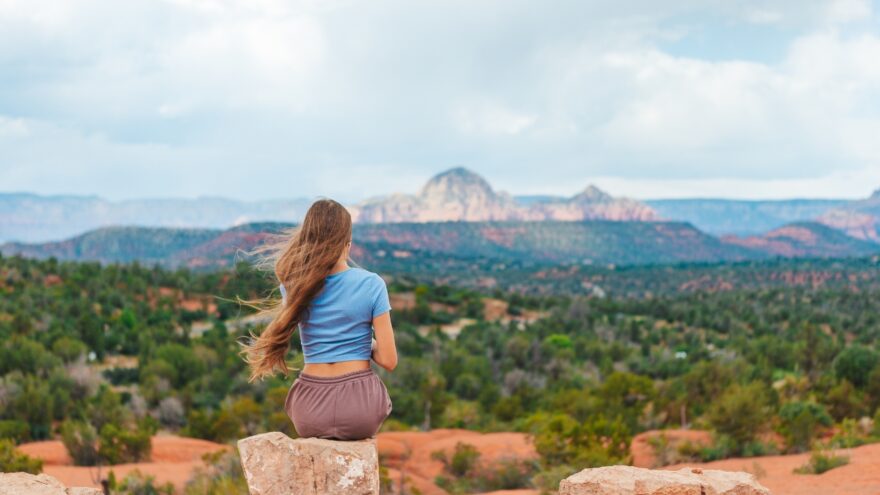
Sedona feels almost unreal on a first visit. Rust-red cliffs rise above bright desert skies, trailheads sit minutes away from dining patios, and quiet canyon corners make even a short weekend feel restorative.
Spiritual energy, vortex hikes, wellness studios, tarot readers, yoga classes, art galleries, and a serious food scene all shape the town’s easygoing desert rhythm.
Forty-eight hours gives first-time visitors enough room to experience Sedona’s best-known hikes, local restaurants, art stops, vortex areas, and sunset viewpoints without packing every minute.
Roughly 90 minutes north of Phoenix, Sedona offers a quick escape that still feels like a major change of pace.
Rather than racing through every trail and viewpoint, a great Sedona weekend works best with balance.
Before You Go – Quick Sedona Planning Tips
A two-day trip with one or two nights works well for Sedona, especially for first-time visitors who want hiking, good meals, scenic overlooks, and a little downtime.
Spring and fall usually bring the most comfortable hiking weather, with milder temperatures and clear skies. Summer trips can still be rewarding, but early hikes, shaded breaks, and plenty of water become essential.
Planning matters in Sedona because parking, trail access, and restaurant reservations can shape the trip more than expected. A little preparation helps the weekend feel relaxed rather than rushed.
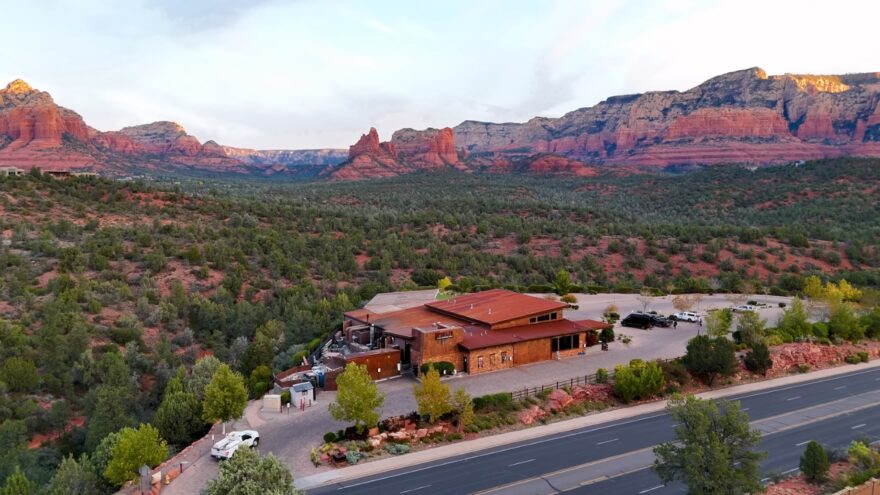
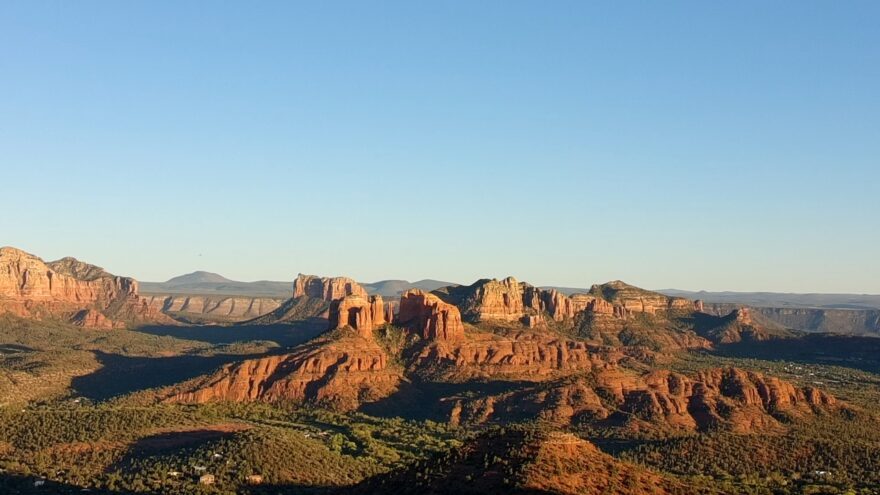
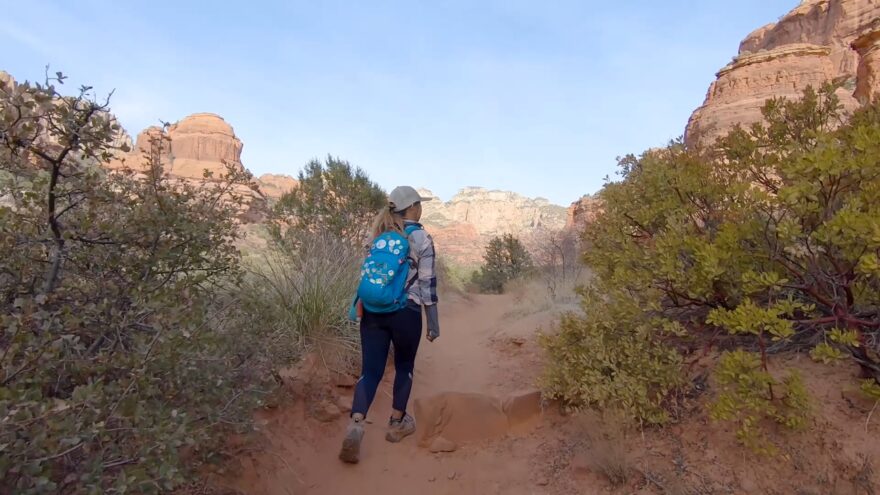
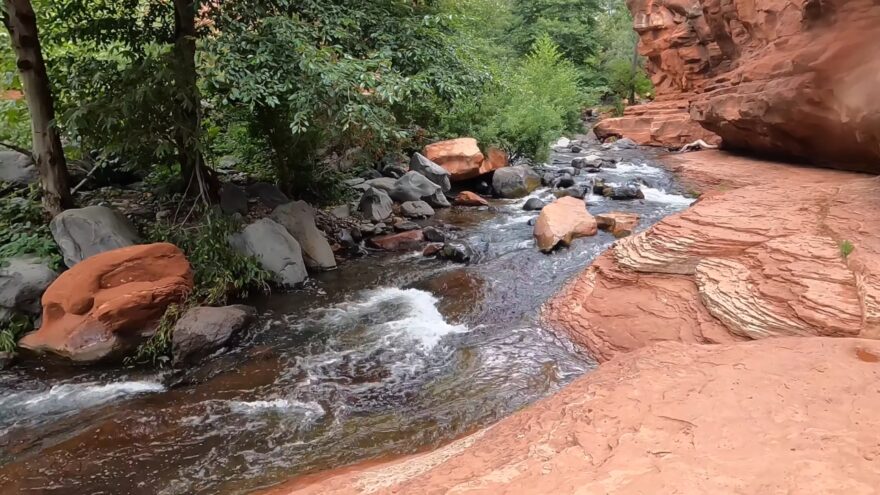
A car is strongly recommended. Sedona has a free shuttle system for several popular trailheads, yet having your own vehicle gives much more flexibility for sunrise hikes, restaurant hopping, scenic overlooks, and quieter routes such as Marg’s Draw or Boynton Canyon. Popular trails fill early, especially Cathedral Rock and Devil’s Bridge. Some parking areas require paid parking or a Red Rock Pass. Many trails require a Red Rock Pass unless visitors have a U.S. National Parks Pass. A one-day Red Rock Pass costs $5 and can be purchased at visitor centers or vending machines at main trailheads. Choosing a convenient base also helps with pacing. Uptown Sedona works well for walkable restaurants and shops, West Sedona has easy access to dining and trailheads, Oak Creek can feel a bit quieter, and scenic resorts near the red rocks add a more resort-style feel. For a luxury stay, L’Auberge de Sedona sits along Oak Creek with cottages, a spa, fine dining, and a romantic creekside setting. For a more budget-friendly option, Sky Ranch Lodge sits near Airport Mesa with panoramic red rock views, balconies, a pool, and a jacuzzi. Starting early gives you cooler temperatures, better parking odds, and softer light on the rocks. By afternoon, the itinerary shifts into a slower rhythm with art, architecture, and sunset views. Start early. Sedona’s most famous trails are quieter at sunrise, and morning light makes the red rocks glow before the day heats up. Begin with coffee or breakfast before heading out. Firecreek Coffee and Synergy Café are good choices for locally roasted coffee. For a heartier breakfast, Wildflower Bread Company offers frittatas, protein bowls, parfaits, lemon ricotta pancakes, and sandwiches that can be packed for the trail. Pick one signature hike for the morning: After hiking, plan a relaxed lunch with scenery or something light and wellness-focused. Sedona’s lunch scene works especially well after a morning outdoors because many spots offer patios, colorful plates, and enough variety for both hearty and lighter meals. For lunch, The Hudson offers polished casual dining with panoramic red rock views. A patio table is ideal. Good picks include the Hudson Mushroom Burger, Kale and Quinoa Salad, and a prickly pear margarita. Local Juicery is a lighter option with smoothies, bowls, salads, juices, tonics, and gluten-free waffles. Its health-focused menu fits Sedona’s wellness mood. Creekside Bistro pairs well with a Bell Rock morning. Expect home-cooked American favorites and deck views that let the afternoon slow down. Afternoon is a good time to step away from the trails and shift into Sedona’s cultural side. Chapel of the Holy Cross and Tlaquepaque Arts and Crafts Village keep the day scenic, but they also add quieter, slower moments between the morning hike and sunset. After lunch, visit the Chapel of the Holy Cross. Built dramatically into the red rocks, the chapel offers sweeping views and a quiet break between hiking and sunset. Its setting makes it both a scenic stop and a peaceful pause. Next, spend time at Tlaquepaque Arts and Crafts Village. Cobblestone walkways, sycamore trees, stucco arches, courtyards, fountains, galleries, and shops give visitors a cultural break without adding another hike. Live music sometimes plays beneath an old sycamore tree, adding to the village-style atmosphere. Use this stop as a slower bridge between the active morning and golden hour. Golden hour is one of the best times to be outside in Sedona. Red rock colors become warmer, shadows stretch across the desert, and even easy-access viewpoints can feel special. Airport Mesa is the classic first-night sunset choice. Close to town and easy to access near Sedona’s airport, it is one of Sedona’s vortex areas and a reliable place to watch the red rocks glow. A full Airport Mesa hike is about 3.3 miles, but visitors can still enjoy strong views by walking only part of the trail. Arrive early enough to park and find a good spot before sunset. Bell Rock is another great sunset option, especially for open desert views and vortex energy. Red Rock Loop viewpoints work well for a scenic drive-style sunset. The Sky Ranch Lodge area also gives an elevated perspective near Airport Mesa. Dinner on the first night should feel like part of the experience, not just a meal after hiking. Sedona has several strong restaurants where patios, cocktails, Southwestern flavors, and red rock views can carry the day into the evening. End the day with one of Sedona’s strongest dinner options: Elote Café is an iconic Southwestern and Mexican-inspired restaurant, so reservations are highly recommended. Good choices include the Elote appetizer and Smoked Brisket Enchiladas. A bar seat can be a smart backup when reservations are full. Mariposa Latin Inspired Grill is an upscale choice with panoramic red rock views and an excellent patio. Its hillside setting pairs beautifully with sunset cocktails. Menu favorites include Peruvian Palomas, empanadas, pulled pork tostadas, and gaucho skirt steak. 89Agave Cantina is more casual, with Mexican favorites such as enchiladas, tamales, chicken mole, and margaritas made with prickly pear or jalapeño-infused tequila. Dahl and Di Luca is a polished Italian option for a romantic dinner, especially for travelers who want homemade pasta and a strong wine list. Winery 1912 also works as a relaxed pre-dinner wine stop with mountain views, especially after Chapel of the Holy Cross and before a later dinner reservation. Day two can go in several directions, depending on energy level. Some travelers may want another big hike, while others may prefer yoga, a scenic drive, a spa treatment, or a wine-focused afternoon. Keeping the schedule flexible makes the second day feel personal instead of overplanned. Begin the second day with another early start, but keep the pace flexible. Early morning works well for quiet views, cooler temperatures, and a calmer version of Sedona before trailheads and viewpoints get busy. Option one is sunrise at Chapel of the Holy Cross. Early light makes the setting especially peaceful, and it works well for travelers who want scenery without a long hike. ♰🇺🇸 The Most Beautiful Chapel 🇺🇸♰ 🎥 The Catholic Chapel of the Holy Cross, Sedona, Arizona, USA 🇺🇸 It was built from 1954 to 1956 into the red rock buttes of the Coconino National Forest. Designed by architect August K. Strotz of the firm Anshen & Allen, with Richard Hein… pic.twitter.com/xiH8jSu2wv — Beauty of the Catholic Faith (@advoluntas) December 2, 2025 Built in the 1950s and designed by sculptor Marguerite Brunswig Staude, the chapel features two central beams that form the shape of a cross. Option two is yoga or mindfulness near Airport Mesa or Bell Rock. Sedona’s vortexes are often described as spiritual hotspots tied to healing, reflection, meditation, and spiritual awareness. Even visitors who are skeptical about vortex energy can appreciate that these areas are among the most scenic places in town. Option three is Marg’s Draw Trail. Quieter than many better-known hikes, it offers scenic red rock views with fewer crowds and makes a strong alternative to a wellness-focused morning. Late morning is a good time for one more memorable outdoor experience. Choose the route based on shade, distance, crowds, and how much energy you have after Day 1. For the second major outing, pick a trail that matches your energy level. Boynton Canyon Trail offers canyon scenery, peaceful stretches, and subtle vortex energy. Soldier Pass Trail is a moderate route with desert views, arches, and sinkholes. West Fork Trail is one of Sedona’s most iconic hikes, especially for shade and creek scenery. At 5.2 miles, it includes Oak Creek crossings, red rock canyon walls, and reflective pools. Fay Canyon Trail is easier and flatter, with red cliffs, oak trees, juniper trees, and fewer steep sections. Devil’s Bridge Trail fits well here if it was skipped on Day 1. Go early for the best experience, since it is one of Sedona’s most popular photo spots. For an easier decision, match the hike to your mood: After the hike, add a wellness pause. Find a quiet overlook, sit for a few minutes, drink water, and let Sedona’s slower pace become part of the itinerary. A good weekend here should feel both active and restorative. For a hearty brunch, Pump House Station Urban Eatery and Market is rustic and unfussy, with avocado toast, benedicts, urban burritos, and other filling options. Red Rock Café in Oak Creek is another strong pick, especially for Southwest brunch favorites. Huevos rancheros, Southwest Benedict with black beans and green chiles, and breakfast burritos all fit well after a morning hike. For a polished casual meal with views, The Hudson works just as well on Day 2 as it does on Day 1. For something lighter before spa time or another short outing, Local Juicery is a reliable choice. Use the afternoon for one final Sedona experience. Option one is Red Rock Loop Road. At 8.5 miles, this paved route west of town offers views of Cathedral Rock, Bell Rock, Courthouse Butte, and surrounding formations. No 4WD is needed. Option two is a Pink Jeep Tour. This is a good choice for travelers who want off-road scenery without planning another hike. A typical Scenic Rim-style tour includes bumpy backcountry terrain, rock formations, classic Western filming locations, and historic cattle-trail scenery. Option three is Slide Rock State Park. Best on hot days, the park has an 80-foot natural waterslide worn into sandstone, along with swimming areas where the creek widens. Option four is Palatki and Honanki Heritage Sites. These sites add cultural depth with cliff dwellings, rock art, and Indigenous history. They include some of the largest cliff dwellings in Red Rock Country. Option five is a spa afternoon. For a splurge, L’Apothecary Spa offers a private creekside tent and treatments such as facials, body treatments, massages, cranial sacral therapy, holistic massage, and reflexology. Option six is the Verde Valley Wine Trail. With 25 wineries between Sedona and Jerome, the route gives hikers a food-and-wine finish. Boutique producers pour varieties such as Syrah, Zinfandel, Merlot, and Chardonnay. A perfect 48 hours in Sedona comes down to balance. Start early for unforgettable hikes, save room for scenic drives and art-filled wandering, and end each day with a red rock sunset. A strong weekend plan should include one iconic trail such as Cathedral Rock, Bell Rock, Devil’s Bridge, or West Fork. Add one slower cultural or wellness experience, such as Tlaquepaque, Chapel of the Holy Cross, Airport Mesa, or a spa treatment. Finish with at least one memorable meal with a view. With thoughtful pacing, Sedona feels both adventurous and restorative. Hikes, food, sunsets, and quiet desert moments all come together to create a weekend that feels much bigger than 48 hours.
Day #1 – Iconic Red Rocks, Vortex Views, and a Sunset Dinner
Day one should focus on Sedona’s classic red rock scenery without trying to fit in every famous stop.Morning – Coffee, Breakfast, and a Classic Sedona Hike
Trail
Distance
Difficulty / Style
Best For
Cathedral Rock Trail
1.2 miles
Short, steep, rocky, and exposed in places
Sunrise views and iconic red rock scenery
Bell Rock Loop / Bell Rock Pathway
About 3.6 miles
Moderate to easy, open desert route
Vortex energy and wide-open desert views
Devil’s Bridge Trail
4.2 miles
Mostly manageable with some scrambling near the end
Famous sandstone arch photos
Doe Mountain Trail
About 1.5 miles, roughly 90 minutes
Quieter climb to a mesa
Big views without heavy crowds
Midday – Lunch with a View
Afternoon – Chapel of the Holy Cross and Tlaquepaque
Golden Hour – First Sedona Sunset Spot
Evening – Dinner at One of Sedona’s Best Restaurants
Day #2 – Sunrise Views, Spiritual Energy, Scenic Drives, and a Farewell Meal
Early Morning – Sunrise, Yoga, or a Quieter Hike
Late Morning – Choose a Second Big Adventure
Trail
Best For
Boynton Canyon Trail
Canyon scenery and subtle vortex energy
Soldier Pass Trail
Arches, sinkholes, and moderate desert hiking
West Fork Trail
Shade, creek crossings, and red rock canyon walls
Fay Canyon Trail
Flatter terrain and a gentler pace
Devil’s Bridge Trail
A famous sandstone arch photo
Lunch or Brunch – Casual, Local, and Refueling
Afternoon – Pick Your Sedona Extra
Summary